Riding Dutch Creek Lane and Wheelers Cove
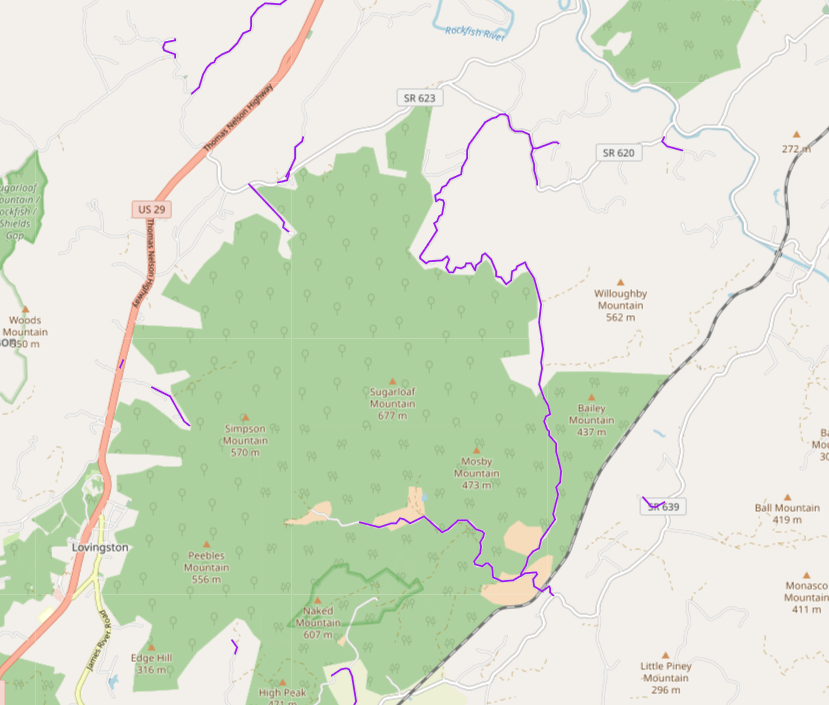
If you follow the winding ribbon of Dutch Creek Lane up into Wheelers Cove, you’ll quickly realize you’re not just riding a bike—you’re moving through time, tracing the steps of families and fortunes that shaped Nelson County’s backroads. The land itself feels timeless: gravel paths beneath aging orchards, creeks tumbling down rock cuts, stands of maple and oak burning bright in the fall, and a hushed quiet broken only by leaves under tires and the distant rush of water.
Video: https://youtu.be/VsT_fStSmBY


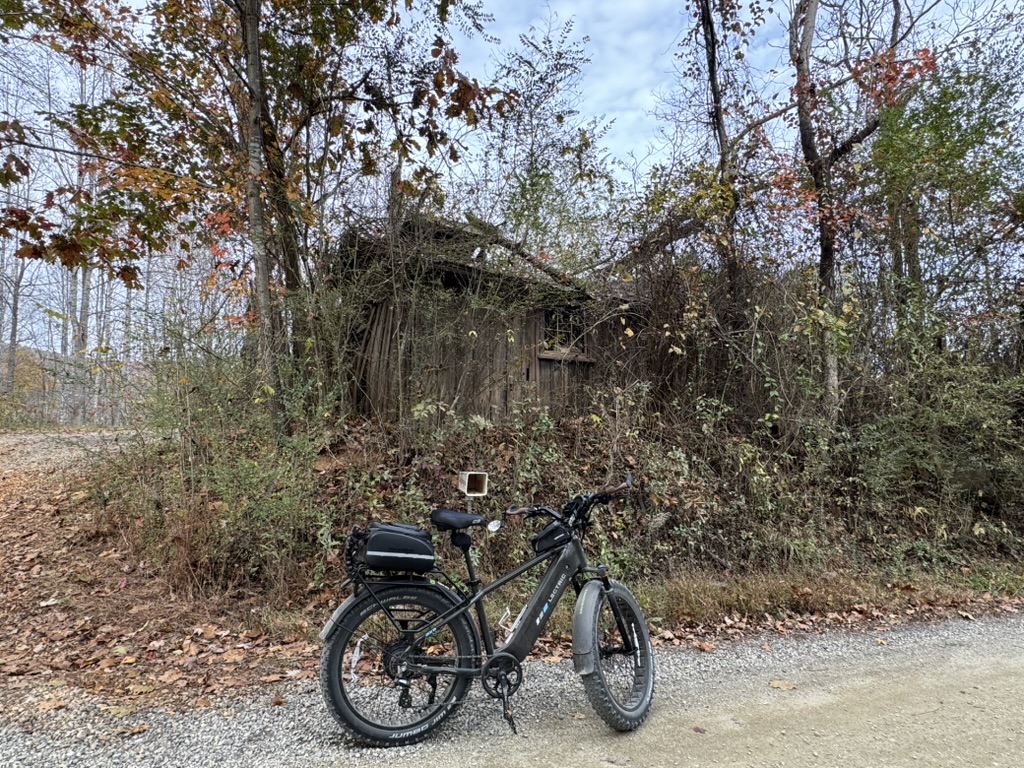
But what really sets these routes apart are the ruins and relics scattered along the way. Here, weather‑beaten cabins and barn foundations nestle beside old farm lanes. Some outbuildings lean, nearly claimed by vines and bramble; others stand defiant, windows blank and doors sagging. Most started life as chestnut log structures—built from a tree that once shaped the very economy and architecture of Appalachia. American chestnut was light, strong, and naturally resistant to rot, making it the dream material for mountain cabins, barns, and fences. A single chestnut could frame a whole home, and Nelson’s hillsides were filled with them—until the blight of the early 1900s swept through and changed everything.
The Chestnut Blight: Turning Point in Rural Life
The chestnut blight hit like a slow‑rolling disaster, hollowing out forests and killing off the region’s key building tree. Overnight, the material that shaped homes, barns, fence rails, and even railroad ties was gone. Families adapted, but many new outbuildings switched to oak, pine, or whatever could be sourced locally. Construction techniques also changed: the rough‑hewn logs gave way to sawmill studs, and as prosperity climbed, many cabins received their “clapboard suit”—a sign of status meant to dress up the raw bones of mountain construction. If you peer beneath the siding on some older homes, you’ll see the original log shell, held together with square nails and wooden pegs.
Farm Consolidation and Forgotten Homesteads
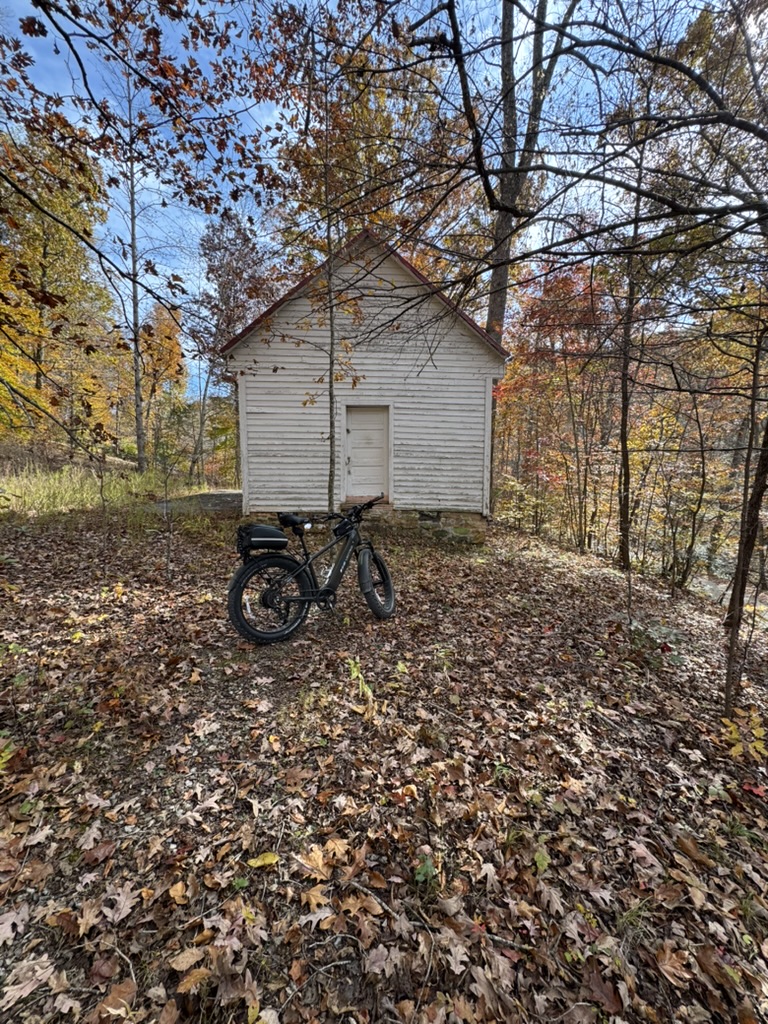
Not all these places lasted. As farming grew more mechanized and towns offered new jobs, rural populations shrank. Many smallholdings consolidated, leaving behind empty houses and barns. Over time, the woods reclaimed old fields and homesites; stone piers settled into the soil, and barns slumped into two or three board-high reminders of hard work and lean seasons. These days, you’ll spot church ruins perched on high ground, orchard rows overtaken by wild grape, and outbuildings nearly invisible until you realize their tin roof is winking through the October trees.
Storms and Survival: Camille’s Impact
Nature delivered its share of heartache, too. In August 1969, Hurricane Camille dumped more than 27 inches of rain in one night on Nelson County. Creeks became torrents, bridges vanished, and homes simply disappeared down the hollows. Dutch Creek and Wheelers Cove were hit especially hard—low spots erased, fords washed away, and whole stretches of backroad rerouted. You’ll still see the scars in bridge approaches shifted by flood and stretches where the forest closes in with new growth over old lanes.
Rider Experience: Sights, Sounds, and the Feel of the Road
Riding these roads is not just a workout—it’s reflection. The lanes tighten near creek crossings, with gravel deep and sightlines short, perfect for slowing down and soaking in the past. Some of the best moments come at unexpected stops:
- Old schoolhouse foundations—just stone and squared timbers, waiting for a new story
- Barns with split rails still holding out against rot
- Orchard edges scented with late apples and windfall leaves
- Bridges and fords that hint at how families patched, fixed, and made do
The best riding happens mid‑morning when the light slices through the autumn leaves and textures pop. It’s worth pausing by crumbling clapboard or fieldstone, listening for water, and remembering that many of these structures mark private land—respect isn’t just courtesy, it’s part of honoring the story.
A Route Where Every Mile Tells a Tale
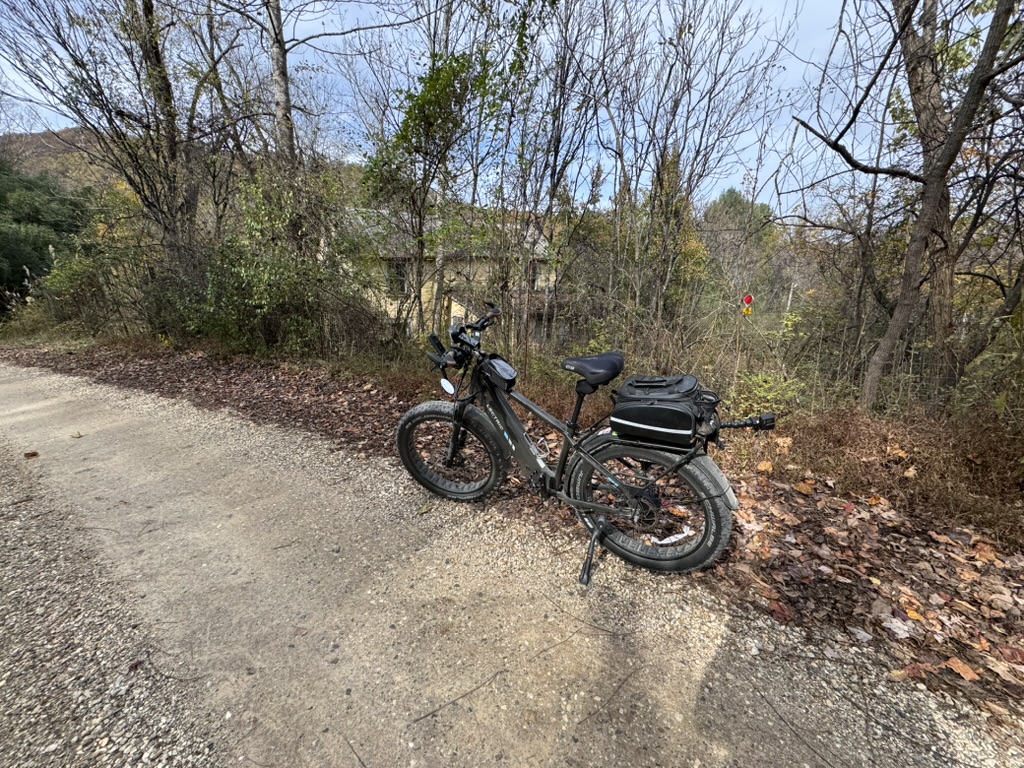
Dutch Creek Lane and Wheelers Cove are more than scenic—they’re living history, each rise and descent marked by old ingenuitiy and resilience. The ride is a tribute to all who chiseled out a life in these hollows and left behind memories in chestnut beams and irises gone wild in the yard.
 The Fat Tire Nomad
Leave a comment