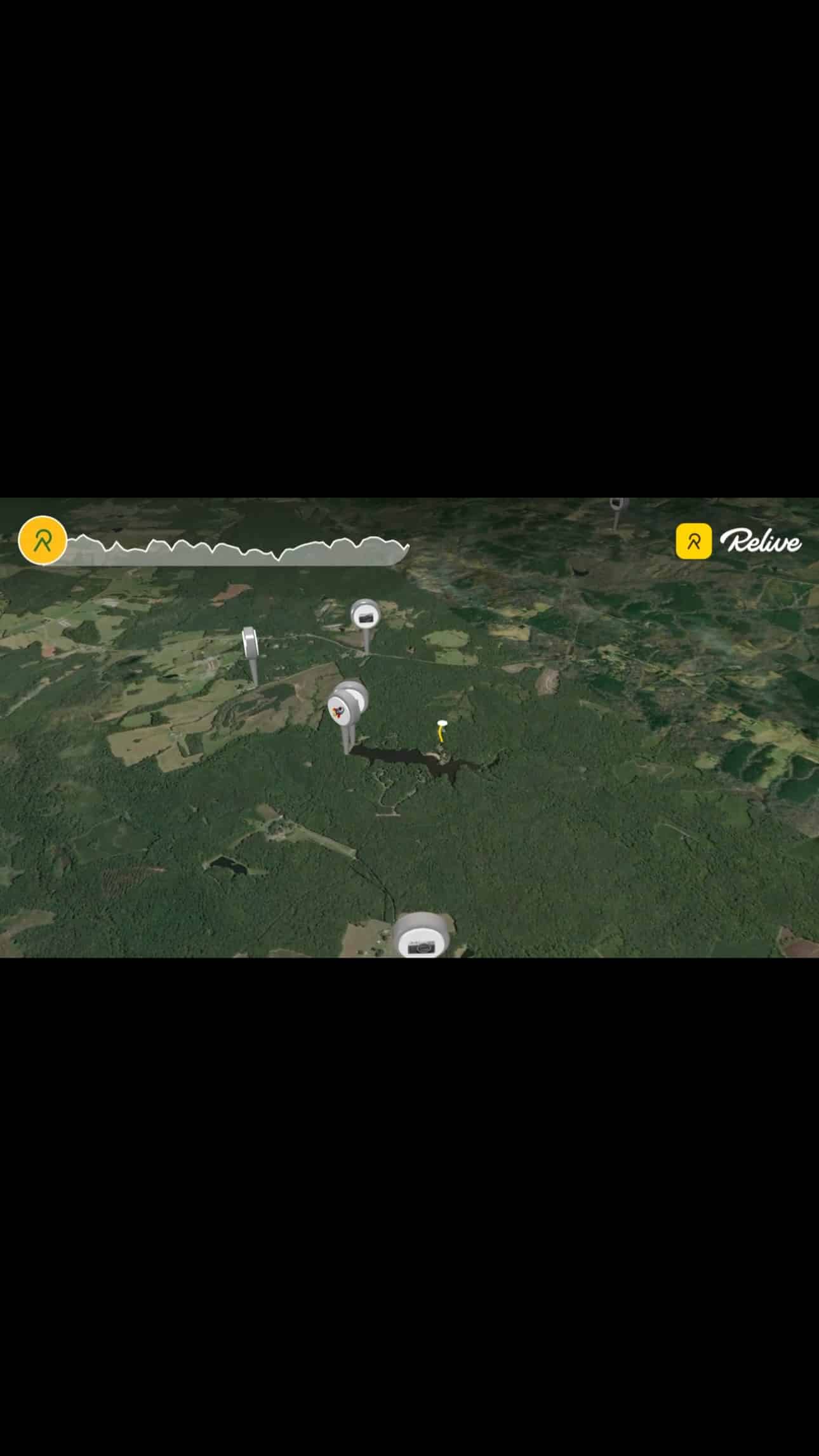
An afternoon on Baffin Bay feels less like a “destination ride” and more like slipping into the quiet rhythm of a working South Texas shoreline. Leaving from SeaWind RV Resort and rolling through Kaufer-Hubert Memorial County Park, the route trades mountain grades for flat, wind‑washed pavement, big sky, and the shimmer of Baffin Bay off your left shoulder. This same stretch of water has gone from Indigenous fishing grounds to King Ranch country, from the hopeful resort era of Riviera Beach to today’s mix of Winter Texans, anglers, and birders scattered along the pier and picnic tables. Out here the story is simple: a bit of breeze in the spokes, a few miles of empty road, and a bay whose history runs much deeper than your afternoon ride.
Before Riviera Beach: Indigenous Baffin Bay
Long before anyone called it Riviera or platted out Riviera Beach, this corner of Baffin Bay was a working shoreline for Indigenous peoples who understood the bay as pantry, highway, and gathering place all at once. Archaeology around Baffin Bay and Loyola Beach documents Late Prehistoric camps built around fishing – especially black drum – along with shell, bone, pottery, and likely fish‑oil processing, pointing to a semi‑sedentary life that rose and fell with water levels, salinity, and seasonal runs. As sea levels rose and Padre Island sealed off the bay from the open Gulf, Baffin evolved into a shallow, hypersaline estuary, and Indigenous groups adapted their use of it across centuries of shifting climate, colonial pressure, and mission‑era upheaval.


Culturally, this coast sat in the orbit of Karankawa‑related coastal peoples and Coahuiltecan bands who moved across the South Texas coastal plain and lower Rio Grande region. Their presence is written more in shell middens, fish bone piles, and eroded camp layers than in named villages, but the pattern is clear: generations kept coming back to this bay because it worked.
Ranch country and King Ranch
By the 1800s, Spanish and Mexican land grants and then Anglo ranching interests began to overlay those older patterns. Captain Richard King started assembling what became King Ranch in the 1850s, buying up large tracts along Santa Gertrudis Creek and beyond, eventually building one of the most famous cattle outfits in the world. Over time the ranch grew to around 825,000 acres across multiple divisions, turning huge swaths of the land inland from Baffin Bay into a single, consolidated ranch landscape of cattle, horses, and later oil.

Ride here today and you’re skirting the edge of that story: long fencelines, windmills, and open pasture hint at the ranch economy just behind the bayfront parks and RV pads. What reads as empty road on an afternoon spin is also working land—leased pastures, pipelines, and long‑view management that quietly shapes how the shoreline and watersheds behave.
Riviera & Riviera Beach: The Big Dream

In the early 1900s, Minnesota land promoter Theodore Koch bought tens of thousands of acres from the King interests with a two‑part vision: build an inland farm town called Riviera and a linked bayside resort called Riviera Beach on Baffin Bay. By 1912 he had a rail line running between the two, along with a manicured bayfront park, hotel, cactus garden, and platted lots marketed hard to Midwestern settlers as a sunny agricultural and seaside paradise.
For a brief window, trains, tourists, and land sales made it look like this piece of Baffin Bay might actually become a thriving coastal resort. Then the hammer dropped: drought hammered the farm economy, and a powerful 1916 hurricane shredded the bayside development; without reliable crops or crowds, the rail line to Riviera Beach lost its reason to exist and the resort dream withered. What survived wasn’t the sales pitch but the bones underneath it—bay, brush, ranchland, and a handful of residents who stayed when the boosters left.

Rider Experience: What The Ride’s Like Now
Today, Riviera and Riviera Beach feel more like a long exhale than a boomtown: scattered houses, a couple of RV parks, county facilities, and fishing piers strung along a quietly productive bay. Life around Baffin Bay is simpler and softer now than the brochures once promised, with Winter Texans, anglers, and birders sharing a shoreline that never quite became the resort it was sold as—but is all the more honest for it.
From the saddle, that whole arc compresses into a few sensory notes:
– Flat road under your tires, just a few dozen feet above sea level the entire way.
– Wind off the bay shaping the ride more than any topo line ever will.
– A working shoreline where history is baked into eroded banks, old plats, ranch fences, and the quiet endurance of a quirky, hypersaline bay that keeps on producing fish and stories.

Out here, an easy afternoon loop from Kaufer-Hubert and SeaWind becomes less about mileage and more about riding through layers—Indigenous camps, land grants, ranch empire, failed resort, and the small, resilient community that remains.


Discover more from The FatTire Nomad
Subscribe to get the latest posts sent to your email.