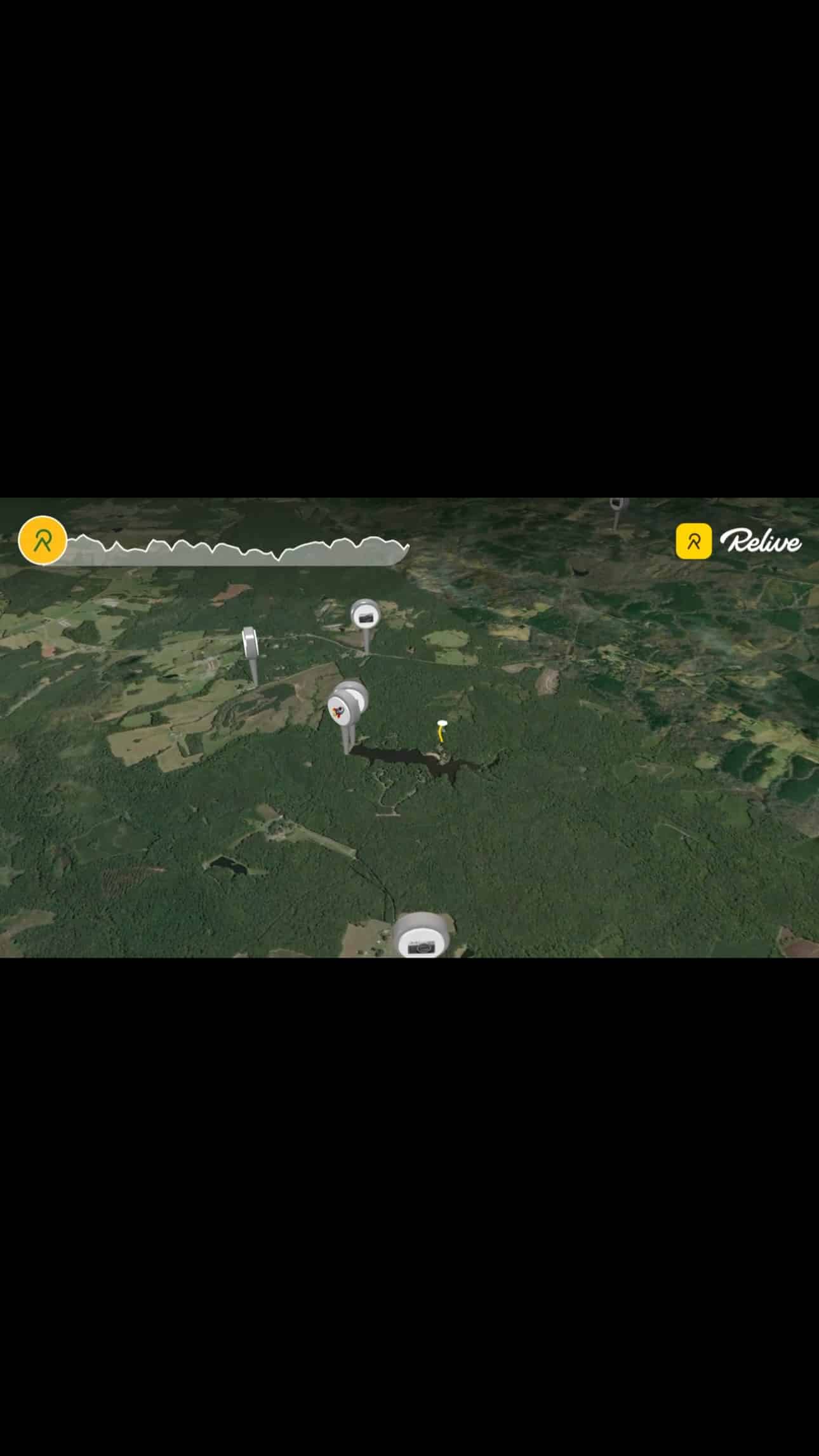
Cold December air has a way of sharpening everything in the New River valley. The roll out from New River State Park’s US‑221 access starts like a typical mountain morning—breath fogging, fingers questioning your glove choice—but as the road tips downhill and the river valley opens up, it starts to feel like more than just another out‑and‑back. You are dropping off the highway and into one of the oldest river corridors on the continent, tracing pavement and backroads that almost vanished beneath a hydro lake. These scenic routes offer thrilling ebike adventures that cater to all levels of experience. You will discover countless ebike adventures as you explore every turn of this beautiful landscape.
Route Overview
This loop starts near the US‑221 access at New River State Park, just outside Laurel Springs in Ashe County, North Carolina. From there, it follows 221 for a short stretch before slipping onto North Fulton Reeves Road and winding down toward the South Fork New River. The grades are friendly by Blue Ridge standards—enough downhill to feel like a reward, but never so steep that you stop looking around. Average elevation hovers around 2,700 feet above sea level, high enough for crisp winter air and low enough that you are riding close to the river rather than perched on a ridgeline.
On this particular morning, thin ice still clung to the shaded edges of the pavement while the sun finally started to work on the valley. The shoulders narrowed, traffic thinned, and every side road felt like a quiet invitation. North Fulton Reeves answered that call, leading away from the highway corridor and into a working river valley of scattered farmsteads, open bottomland, and low ridges that have framed this waterway for centuries.
Join us for thrilling ebike adventures that promise to create lasting memories.
Exciting ebike adventures Await: Experience the Thrill!
The New River underpins every pedal stroke out here. Geologists routinely describe it as one of North America’s oldest rivers, a north‑flowing outlier that predates much of the Blue Ridge uplift and has forced the mountains to rise around it instead of the other way around. For at least 10,000 years, Indigenous hunters and travelers moved along this corridor, using the river as a natural highway between what are now North Carolina, Virginia, and West Virginia, leaving more archaeological traces than large permanent towns in this specific upper stretch.
The New River’s calm currents and surrounding landscapes make for exceptional ebike adventures unlike any other. As you ride, keep an eye out for the unique wildlife that calls this area home, and remember that each ride is an invitation to new ebike adventures on the scenic trails.


It is easy to feel that depth of time when you are rolling along the banks on a winter morning. Ice lingers in roadside ruts, the sun warms the water just enough to keep the current visible, and the valley narrows into a series of quiet bends and low fields. You are following the edge of a route that has guided people through these hills since long before there were state lines, asphalt, or GPS tracks to document the day’s ride.
The River That Almost Became a Lake
What gives this particular route its emotional punch is how close it came to disappearing under a reservoir. In the 1960s and 1970s, Appalachian Power advanced the Blue Ridge Project, a two‑dam pumped‑storage hydro plan that would have turned miles of the New River valley in Ashe and Alleghany counties into an upper and lower lake. The project would have swallowed family farms, churches, schools, and even cemeteries, displacing thousands of people and erasing much of the landscape you ride through today.


Planning maps from that era sketched out future shorelines where today you see hay fields and bottomland pasture, with coves and marinas in place of cattle fences and river access cut‑throughs. Roads like US‑221 and the river‑parallel lanes you explore would have been rerouted, raised, or severed—transformed from quiet backroads into shoreline infrastructure along a pair of deep, controlled lakes.

The reason the route still feels like a rural river valley instead of a reservoir edge is that local residents refused to accept that future. Farmers, river guides, pastors, students, and county officials organized across county and state lines, building a broad, multi‑year effort to protect the upper New and challenge the dam licenses. Their campaign culminated in North Carolina designating a 26.5‑mile segment as a State Scenic River in 1975, followed by federal Wild and Scenic status for the same stretch in 1976—decisions that effectively killed the Blue Ridge Project and locked in the river’s free‑flowing character.
New River State Park grew out of that fight, beginning with riverfront tracts in the mid‑1970s and expanding in later decades as groups like the New River Conservancy helped add more protected corridor. The US‑221 access, campground, and quiet bank where this ride begins are all part of that legacy.
Ride Feel and Practical Notes
On the ground, the ride feels more relaxed than dramatic. The grades are moderate, the shoulders are manageable, and North Fulton Reeves trades highway noise for farm dogs, river views, and the occasional pickup. Expect:
- Rolling pavement with a general downhill trend toward the river, then gentle climbing on the return.
- Narrow sections and blind curves where a mirror and solid lane positioning help, especially in low winter light.
- Occasional ice or frost patches in shaded hollows during cold months; traction and tire choice matter more than brute power.


For eBike riders, this is a good “eco‑mode” route: enough elevation change to stay warm and engaged, not so much that you feel compelled to burn through a battery. Surface is primarily pavement with short stretches of gravel that can feel rough with a few potholes, but nothing that demands a full‑blown mountain setup in dry conditions.
Why This Route Matters
There are flashier rides in the Blue Ridge—bigger climbs, higher overlooks, more famous names—but this short winter loop along the New River hits differently. You are pedaling through an ancient river corridor that predates the mountains around it, past fields and homesteads laid out in the 18th and 19th centuries, and along a valley that came within a court decision or two of being drowned under deep water.


Each section of the route offers its own charm, transforming every ride into an engaging series of ebike adventures.


When the tires hum along cold pavement, the sun finally clears the ridge, and the river slides quietly beside you, it is worth remembering that this calm, working landscape is here because people decided it was worth fighting for. Every easy mile along North Fulton Reeves is a small, modern way of saying they were right.


Whether you are a seasoned rider or just starting out, there are ebike adventures suitable for everyone. The paths around here are filled with opportunities for unforgettable ebike adventures in nature’s embrace. With every mile, you will uncover the rich history intertwined with your ebike adventures, making this ride even more meaningful.
Discover more from The FatTire Nomad
Subscribe to get the latest posts sent to your email.