Riding Findlay Gap Road and Uncovering the Past
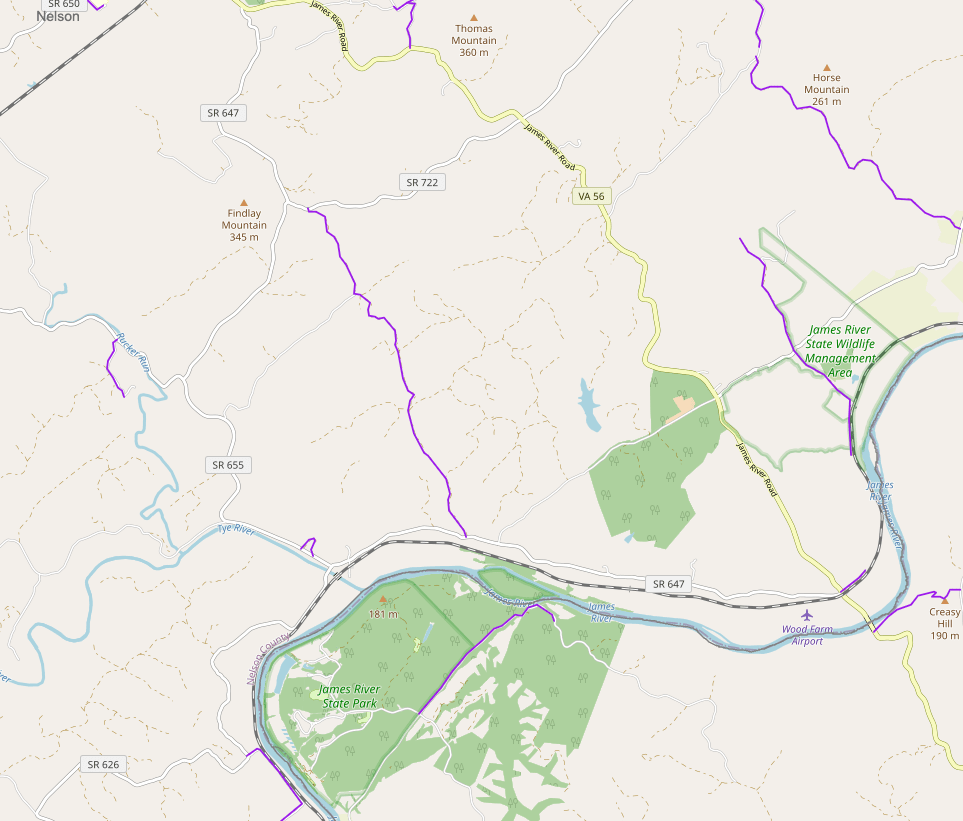
There’s a certain stillness on Findlay Gap Road that feels ancient. As you descend from the paved security of Route 60, the world quiets down, and the crunch of fat tires on gravel becomes the only sound. This isn’t just another Nelson County backroad; it’s a portal to a forgotten past, a place where the forest is slowly reclaiming the stories of pioneers, freedmen, and mountain communities. The air hangs heavy with history, and every pedal stroke feels like you’re uncovering another layer.
Video: https://youtu.be/VsT_fStSmBY
The Road Before It Was a Road
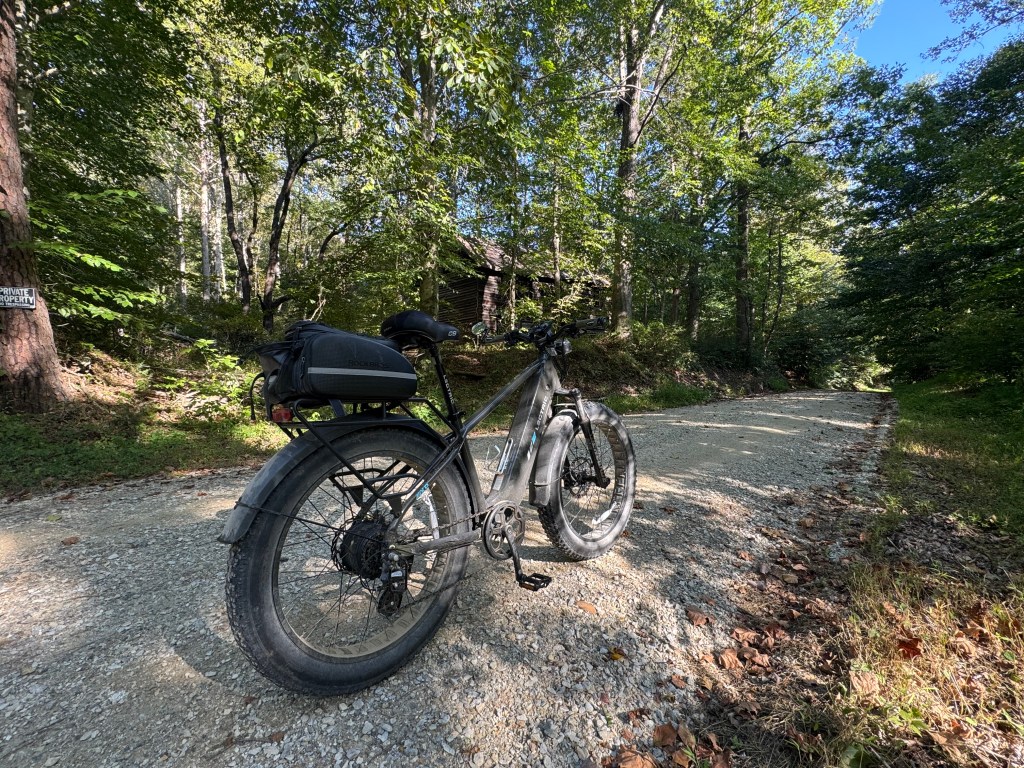
Long before it was named Findlay Gap, this natural passage through the hills was part of a network of footpaths used by the Monacan people. These trails, which often followed the contours of the land and the paths of creeks, were the original infrastructure of the Blue Ridge, serving as vital hunting and trade routes for centuries. When European settlers began pushing westward in the 18th century, they followed these same paths, gradually widening them for wagons and livestock. The road you ride today is built on a foundation laid down by footsteps, not bulldozers, and you can feel that organic connection to the landscape in its gentle curves and grades.
The Whispers of a Community
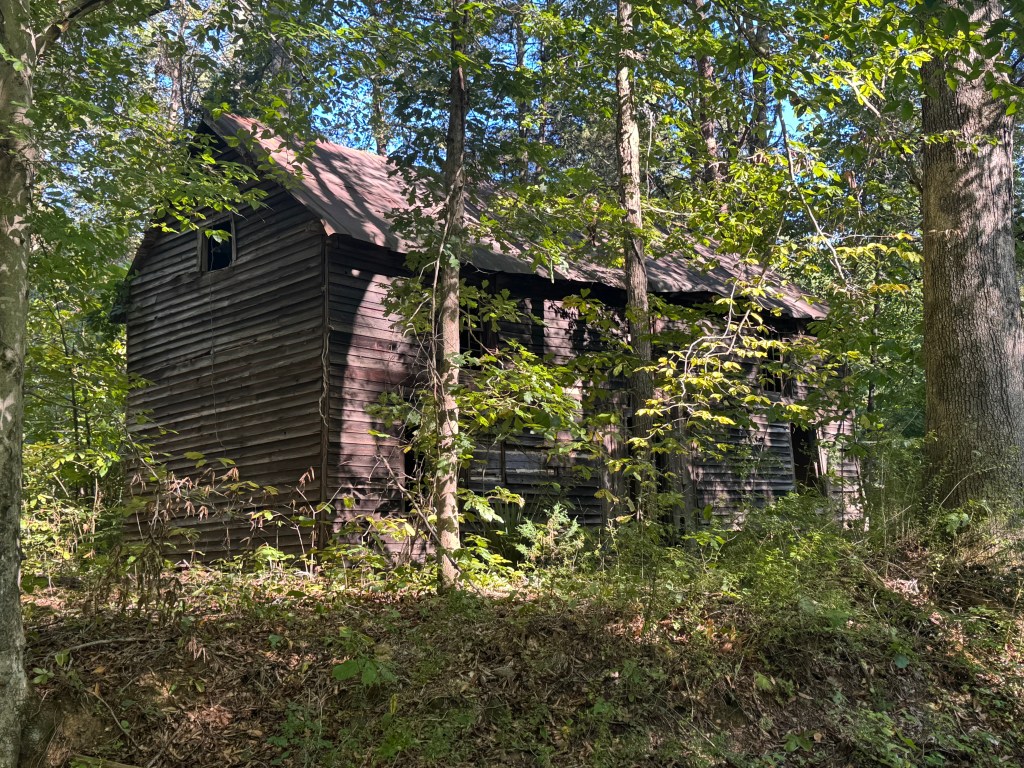
As you venture deeper into the hollow, the remnants of a once-thriving community begin to appear. Stone foundations, now draped in ivy and moss, mark the sites of old homesteads where families built their lives from the rugged land. These ruins are poignant reminders of the resilience required to survive in the Blue Ridge, where farming, logging, and orchard work provided a meager but proud existence.
One of the most prominent landmarks is the Bethany United Methodist Church, standing among the trees. One of several churches built in the gap, this humble structure was founded circa 1887 and was a cornerstone of the Findlay Gap community, a place for worship, fellowship, and mutual support the. The church still holds services today.
At its peak, the area was dotted with small farms and homes, all connected by this single gravel artery. The decline began in the mid-20th century, as economic opportunities shifted and families moved closer to larger towns, leaving the hollow to fall quiet once more.
The Rider Experience: Sights, Sounds, and the Feel of the Road
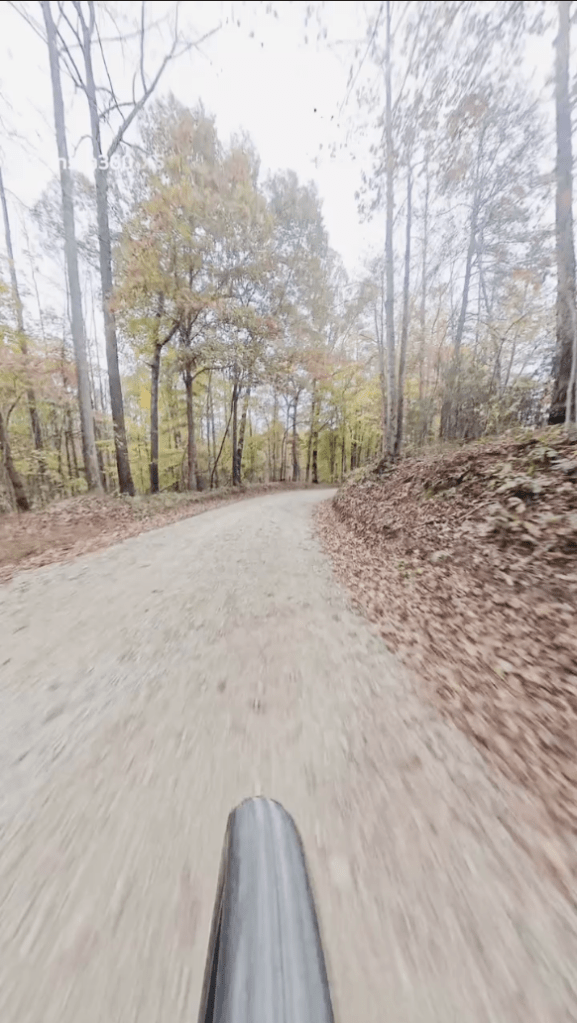
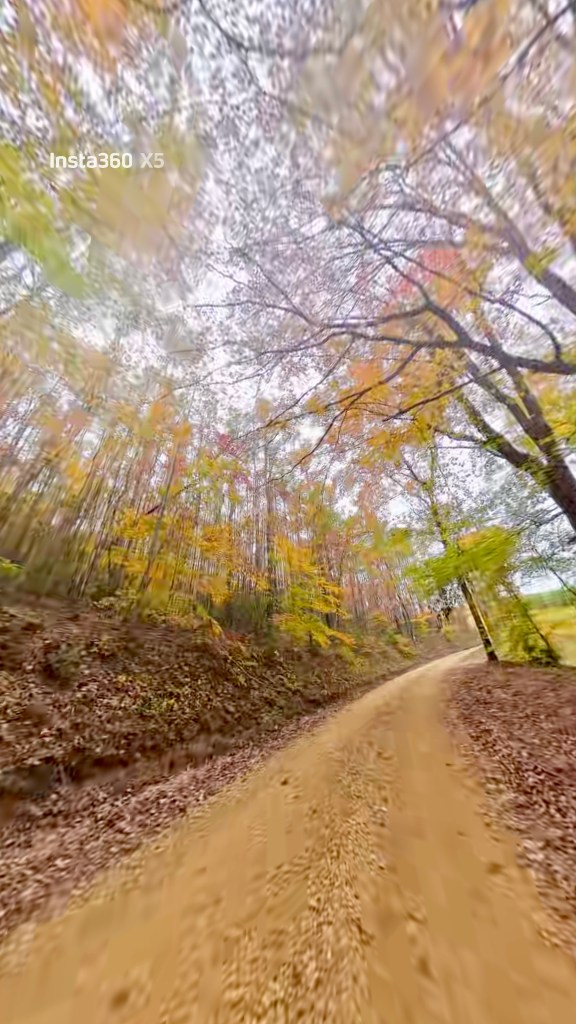
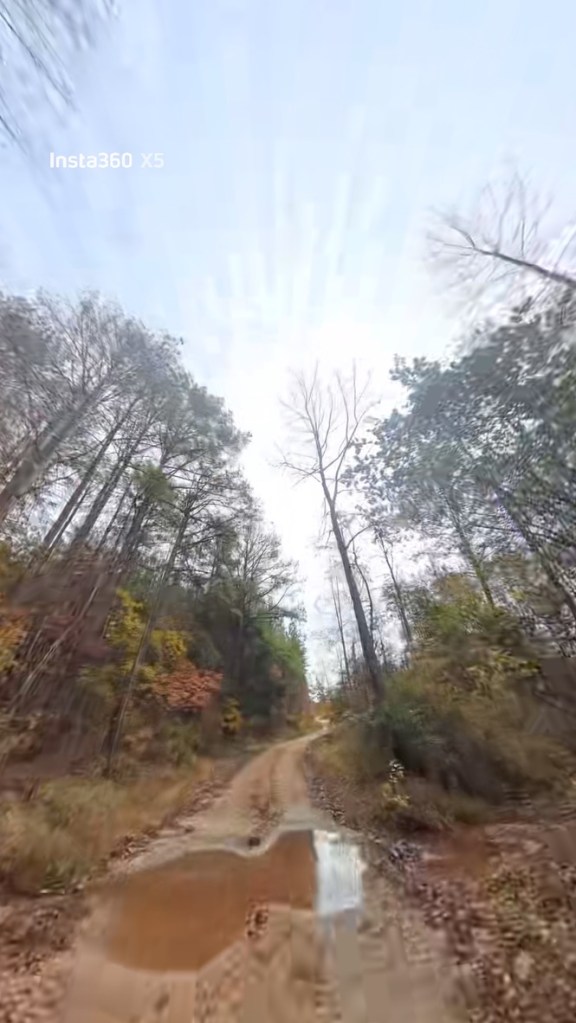
Riding these roads is not just a workout—it’s reflection. The lanes tighten near creek crosThe ride itself is a thrilling rush through nature and time. Starting from the Findlay Mountain side, the route is a fast-paced descent that demands your full attention. The long gravel slopes let you pick up speed, while several stream crossings add a splash of wild adventure, forcing you to choose your line carefully. It’s a track that feels raw and untamed.
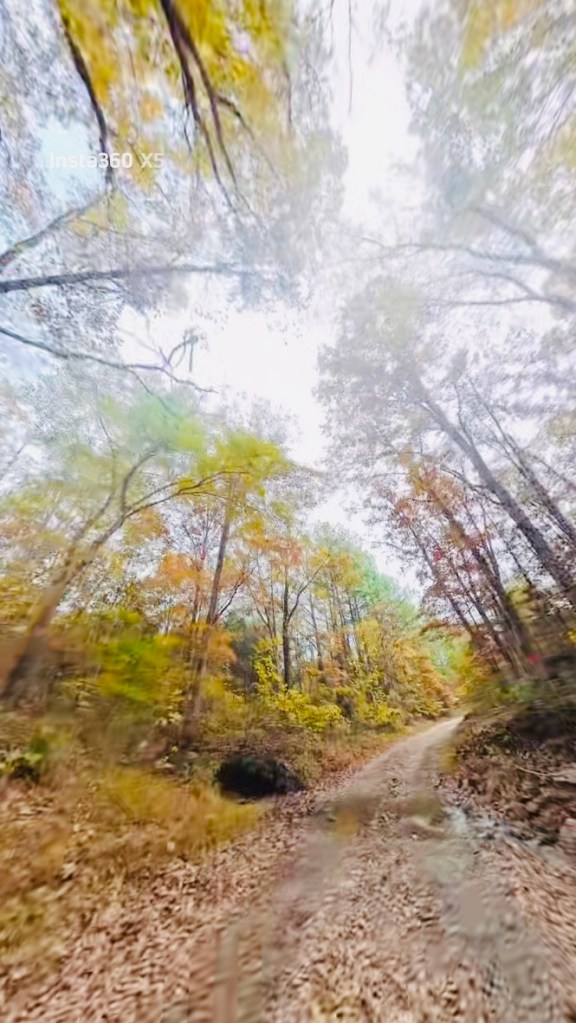
As the road levels out heading towards Norwood, it becomes a beautiful coast, allowing you to take in the immersive scenery and spot the historical ruins hiding just beyond the trees. This is truly wild nature; keep your eyes peeled for wildlife. On an October ride, we even spotted a black bear lumbering across the track ahead—a powerful reminder that you are a visitor in a wilder world. The combination of speed, history, and raw nature makes Findlay Gap an unforgettable ride that connects you to the untamed spirit of the Blue Ridge.
Final Thoughts
Findlay Gap Road is more than just a route; it’s a destination for the curious rider. It delivers a rare combination of raw, natural thrill and deep, quiet history. One moment you’re navigating a fast, chunky descent and splashing through streams, your heart pounding with adrenaline. The next, you’re coasting past the silent ruins of a homestead and you feel a connection to the generations who called this hollow home. It’s a ride that stays with you, a reminder that the best adventures are often hidden on the forgotten roads, where every pedal stroke uncovers a story and every mile leaves you with more than just mud on your tires.
 The Fat Tire Nomad
Leave a comment