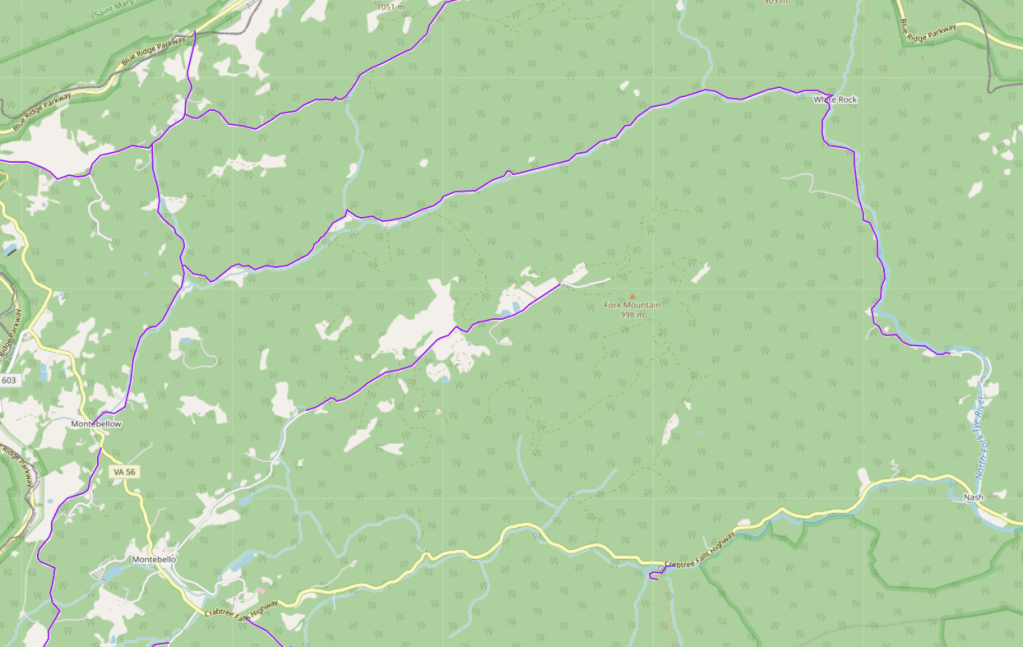
There’s a profound shift that happens in the Blue Ridge when the last stubborn leaf has fallen. The world, once riotous with color, becomes a study in monochrome and silence, and the crunch of fat tires on frozen gravel is the only percussion in a vast, still auditorium. This is the moment the mountains invite you to look deeper. A recent ride through the Nelson-Rockbridge Highlands—a raw, cold loop linking Spy Run Gap, North Fork Road, and Zinks Mill School Road—was a perfect immersion into this stripped-back landscape. With temperatures in the high 20s, the ride was more than a test of gear and grit; it was a slow-motion revelation, uncovering layers of history that lay hidden just beneath the summer canopy.
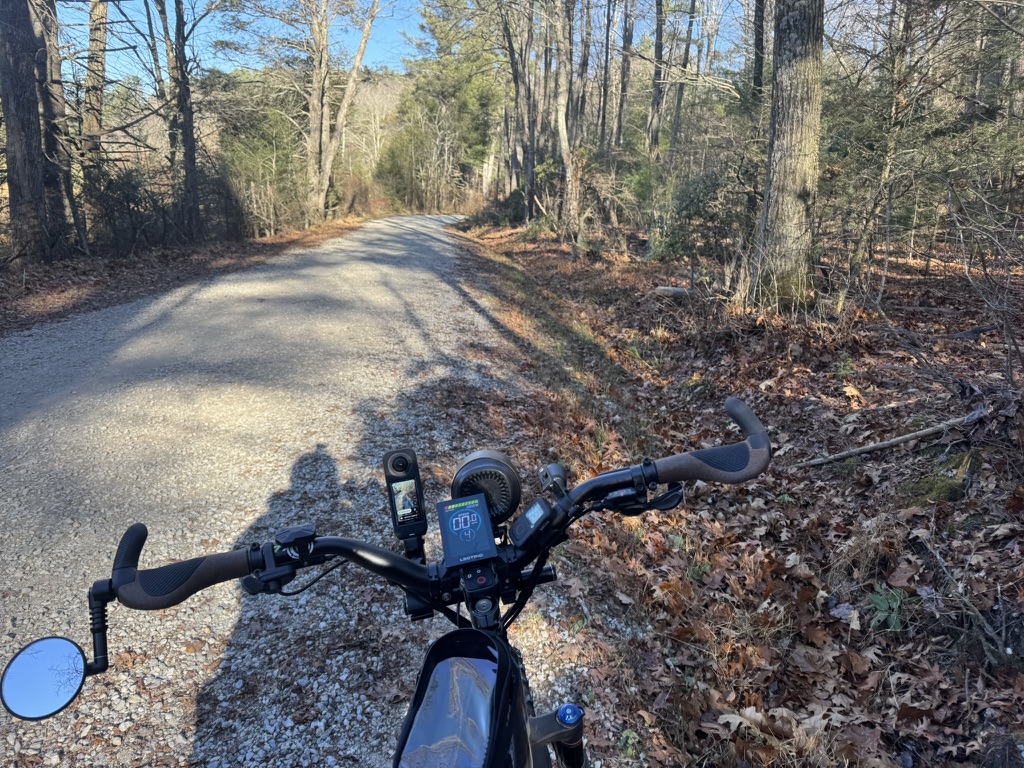
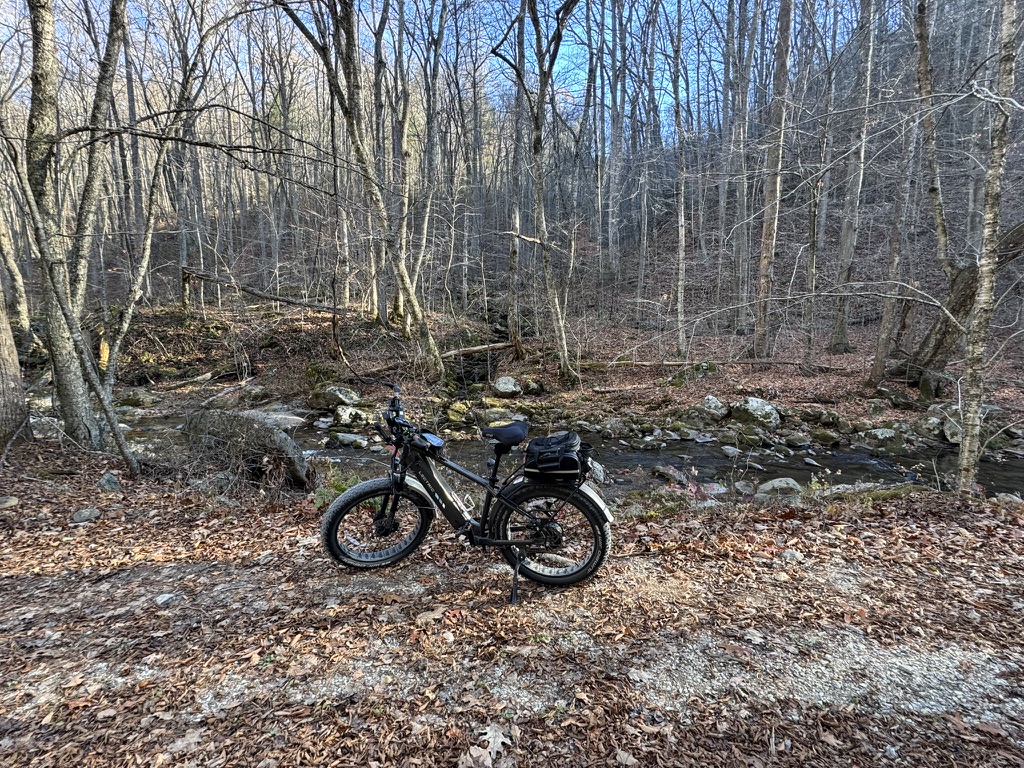
Ghosts of Steam and Steel: Riding the Old Railway
Much of our journey along North Fork Road was spent tracing the ghost of the Virginia Blue Ridge Railway. This wasn’t just a road; it was a path laid with purpose and desperation. In 1915, as a deadly blight swept through the Appalachians, entrepreneurs raced to build this narrow-gauge line to salvage the doomed American chestnut trees. Riding on the smooth, flowing grade of the old railbed, you can feel the logic of the locomotive. The curves are gentle, designed for steel wheels, not rubber tires, creating a hypnotic rhythm as you pedal through the Tye River valley.
The railway was an engineering marvel born of necessity. You can feel its history in the climbs—especially near the Tye River interchange, where a brutal 3% grade forced the old steam engines to split their trains just to make the ascent. After the last of the chestnut timber was hauled away, the railway found a second life, transporting titanium ore and then aplite from local quarries. It was a lifeline for these mountain industries until 1969, when Hurricane Camille’s floodwaters ripped through the valley, tearing up tracks and signaling the end of an era. To ride here is to feel the presence of that lost industry, a silent, steel echo in the hollow.


The Vantage of War: Spy Run Gap
Climbing toward Spy Run Gap, the temperature drops and the air thins. The name itself is a clue to its past. In 1861, this high ground became a strategic asset for Union forces. From the commanding perch of Spy Rock, soldiers could track Confederate movements through the mountain passes below, a 360-degree view that was invaluable in the chess match of the Civil War. General Jacob Cox headquartered his troops here, his men battling not just the enemy, but the elements. In the fall of that year, torrential rains turned the roads into a “sea of mud,” and more soldiers were lost to sickness and exposure than to combat.
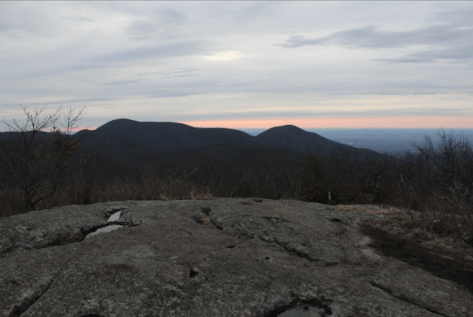
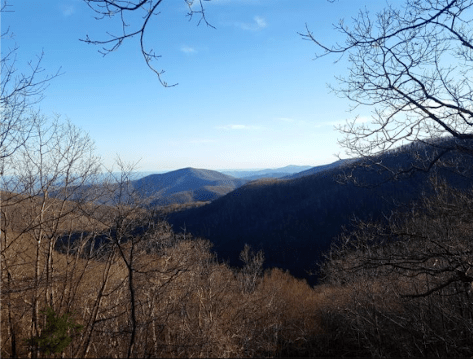
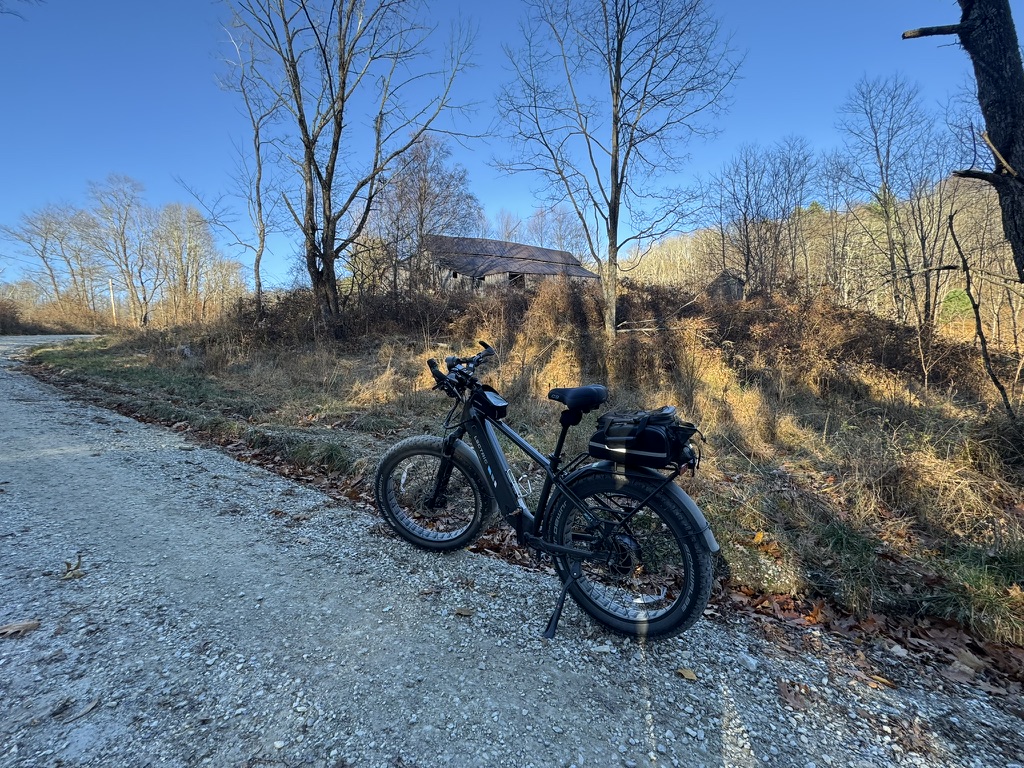
As you power up the gravel incline, you gain a visceral appreciation for this vantage point. Each foot of elevation gained opens up new vistas, revealing the tactical importance of the terrain. Near the summit, an old barn, its roofline sagging under the weight of a century of winters, stands as a quiet monument to the generations of farmers who worked this land long after the soldiers had gone. It’s a place where military history and agricultural heritage intersect, a story told by the road itself.
The Rider Experience: Finding Beauty in the Bite
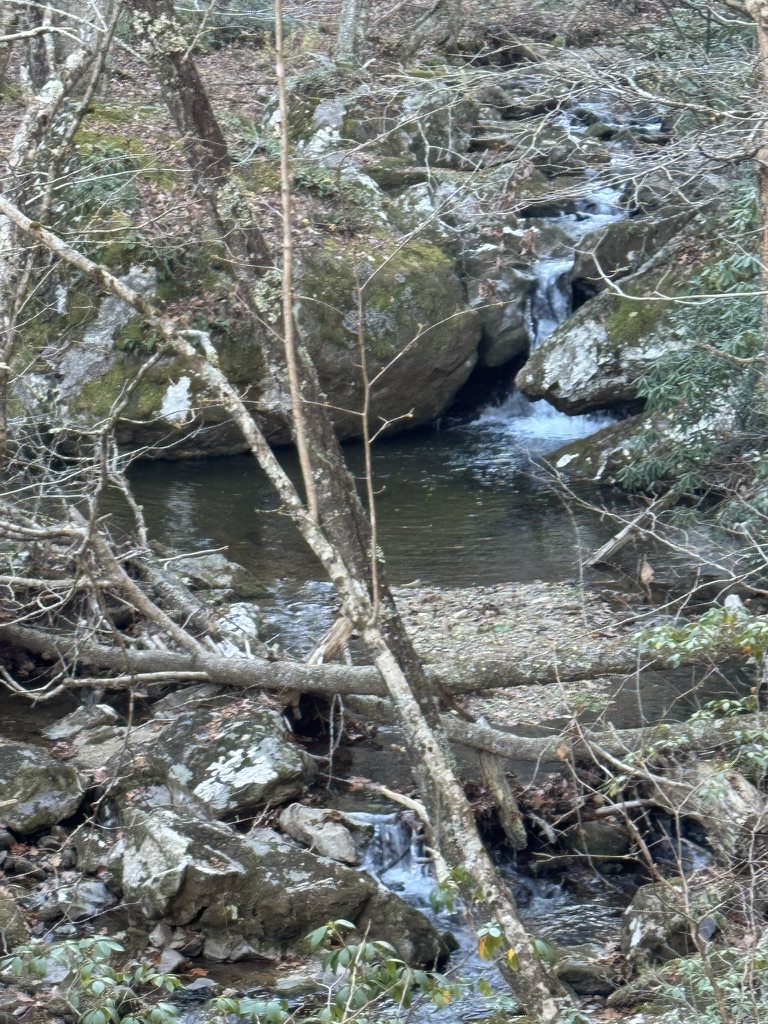
A ride in the highlands when it’s cold enough to see your breath is a uniquely immersive experience. The initial descent from the Blue Ridge Parkway is a thrilling, lung-searing rush, the icy wind a stark reminder that you are a guest in a wilder world. The beauty of a winter landscape is subtle but profound. Without the distraction of foliage, your eyes are drawn to the architecture of the trees, the texture of the rock outcroppings, and the remnants of human history that emerge from the undergrowth.
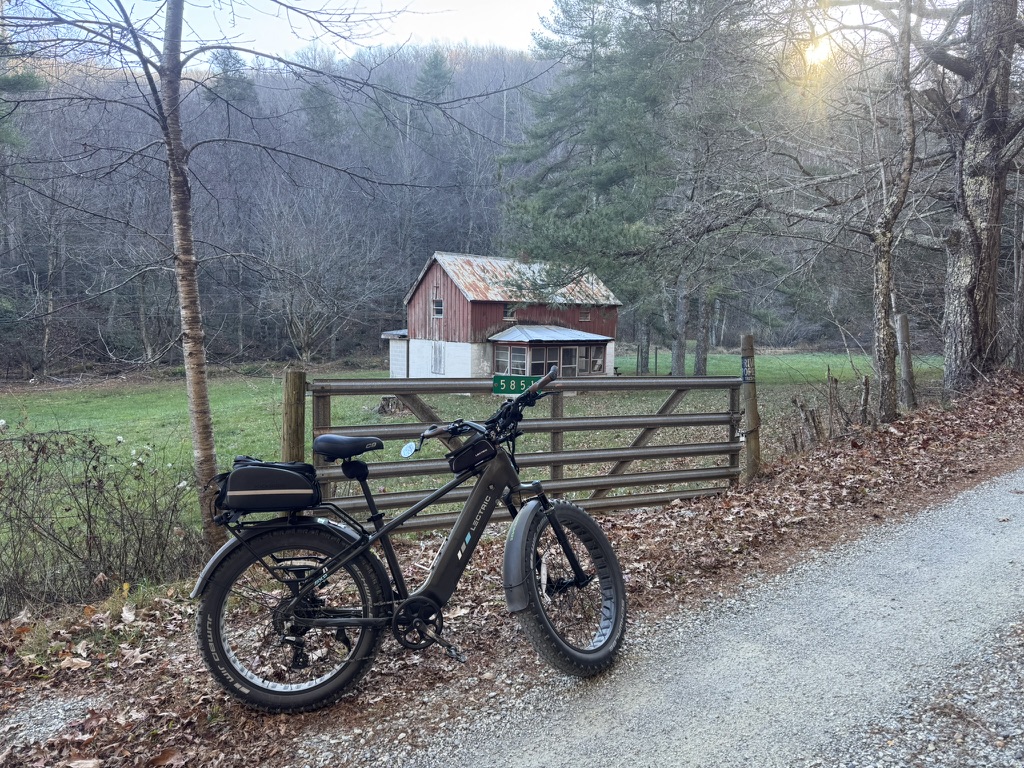
Along North Fork Road, the ghost of an old fence line, its split rails slowly returning to the earth. It was a poignant discovery—a line that once defined a world, separating a pasture from the woods or marking the edge of a family’s homestead, now little more than a whisper in the forest. These small discoveries are the essence of a backroad adventure. They transform a simple bike ride into a conversation with the past. The gravel itself tells a story, changing from smooth-packed dirt to chunky, loose stone, demanding constant attention and connecting you physically to the ground beneath your tires.


Final Thoughts
The Nelson-Rockbridge Highlands offer a ride that resonates long after you’ve warmed up. It is a journey that delivers more than just physical challenge and scenic beauty; it offers a profound connection to the layers of human and natural history that define this corner of Virginia. To pedal the grade of a ghost railway, to climb to a Civil War overlook, and to spot the quiet ruins of a forgotten homestead is to understand a place in its deepest context. In the stark clarity of a cold day, when the world is stripped down to its essentials, the mountains reveal their secrets. This ride is a powerful reminder that the best adventures aren’t just about the miles you cover, but the stories you uncover along the way.
 The Fat Tire Nomad
Leave a comment