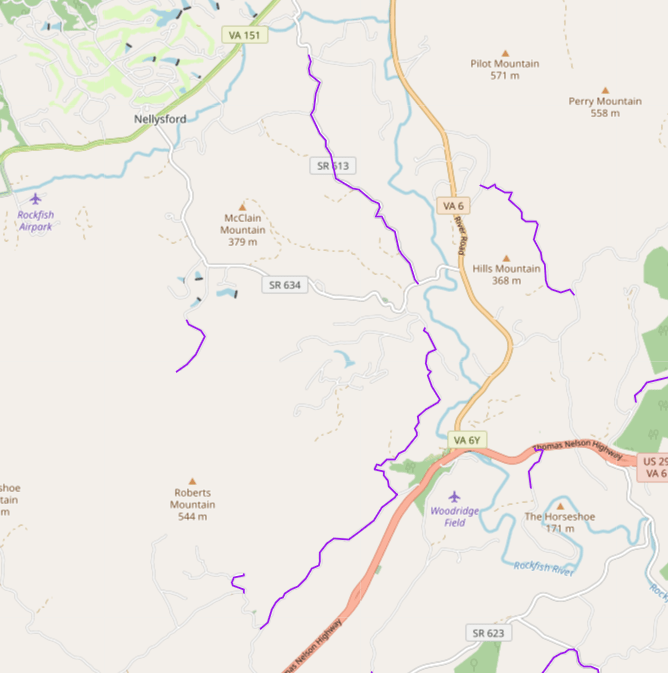
There’s a particular quiet that settles on the foothills of Nelson County when autumn exhales its last warmth and the hush of winter begins to take hold. Here, between the Piney and Rockfish rivers, every farm corner, ridge, and mellow valley seems to echo with stories—layers of lived history grounding the turns of our wheels. Our latest ride was an out-and-back from the anchor of Oak Hill Baptist Church, reaching north across Grape Lawn Drive, Rocky Road, and Berry Hill Road—a landscape both familiar in its rural patterns and dynamic in its details.
Out From Oak Hill: Elevation & Atmosphere
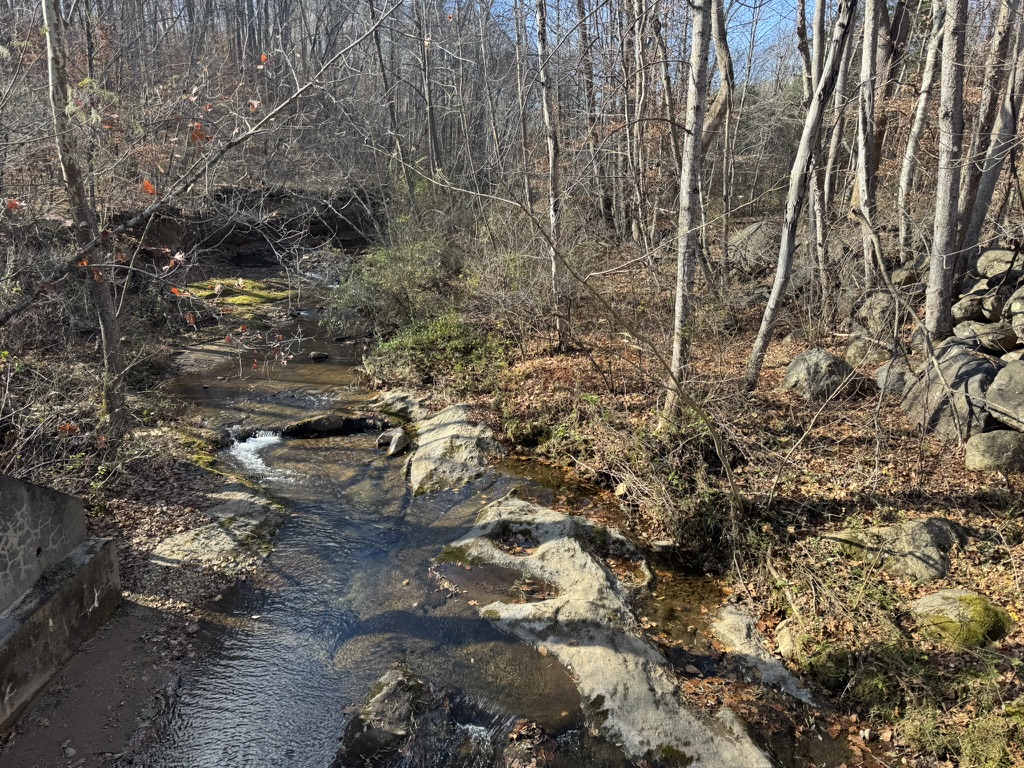
We pushed off from Oak Hill Baptist Church, just north of Lovingston, in the Davis Creek/Myndus area. Starting near 690 feet, we cut across pastures that have witnessed centuries of planting and harvest. Grape Lawn met us first, rolling like an old friend through gentle curves lined with walnut trees, open fields, and weathered fence lines. The land rose and dipped—not dramatic but continuous—carrying us gradually up toward 1,050 feet as we moved away from the river flats and climbed the low divides that shaped these early farms.
Quiet Roads, Deep Roots: A Working Landscape
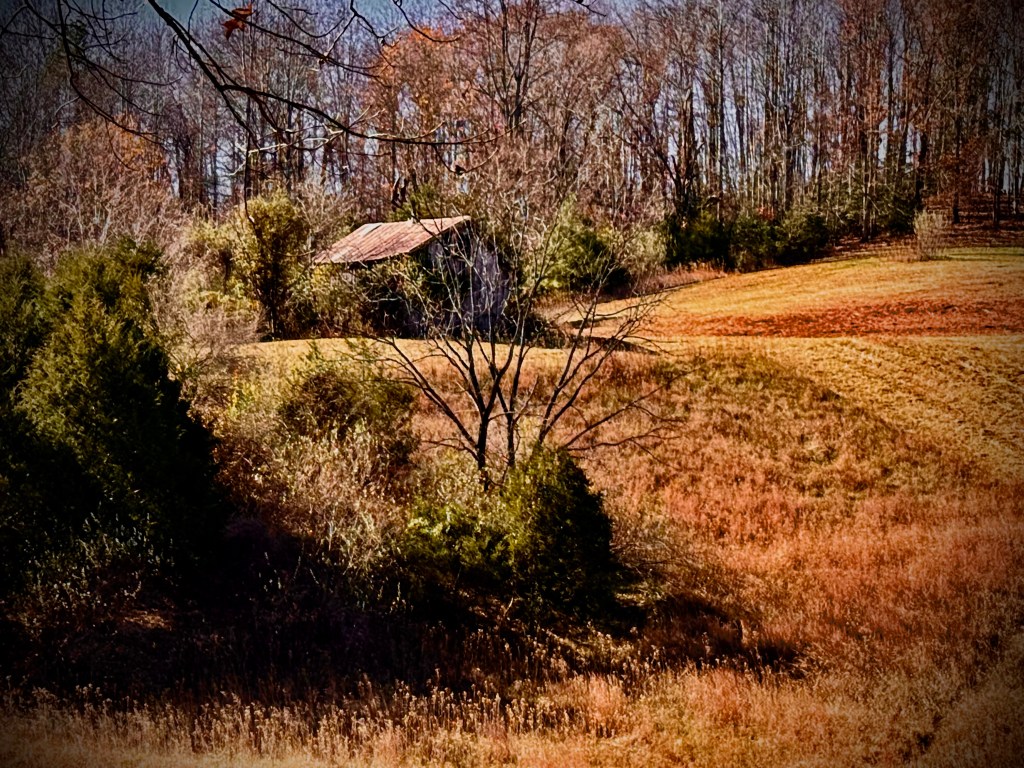
It’s here that Nelson County’s history whispers loudest. We rode ground first claimed in the 1730s and 1740s, when Scots-Irish families struck out for the mouth of spring-fed hollows between the Piney and Rockfish. Their legacy—grit and continuity—is visible in every stacked-stone wall, every weathered barn, each tidy tobacco strip and patchwork field. These weren’t manor country lanes, but connectors drawn by necessity: getting harvests to mill, families to church, and kids to far-off schoolhouses.

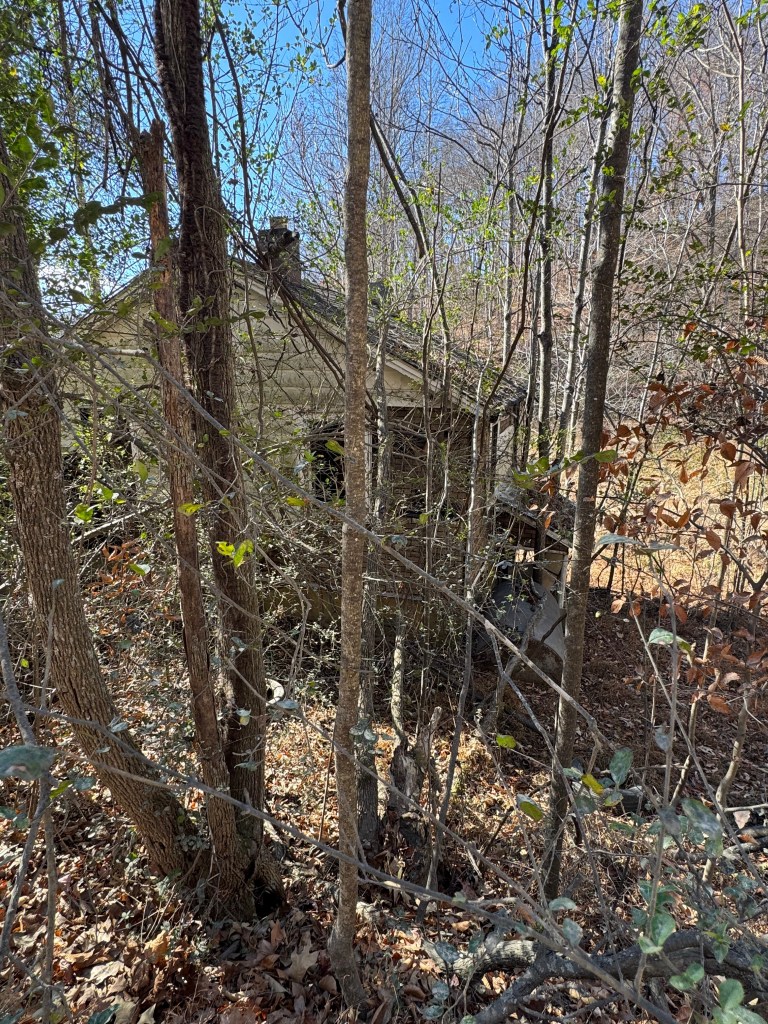
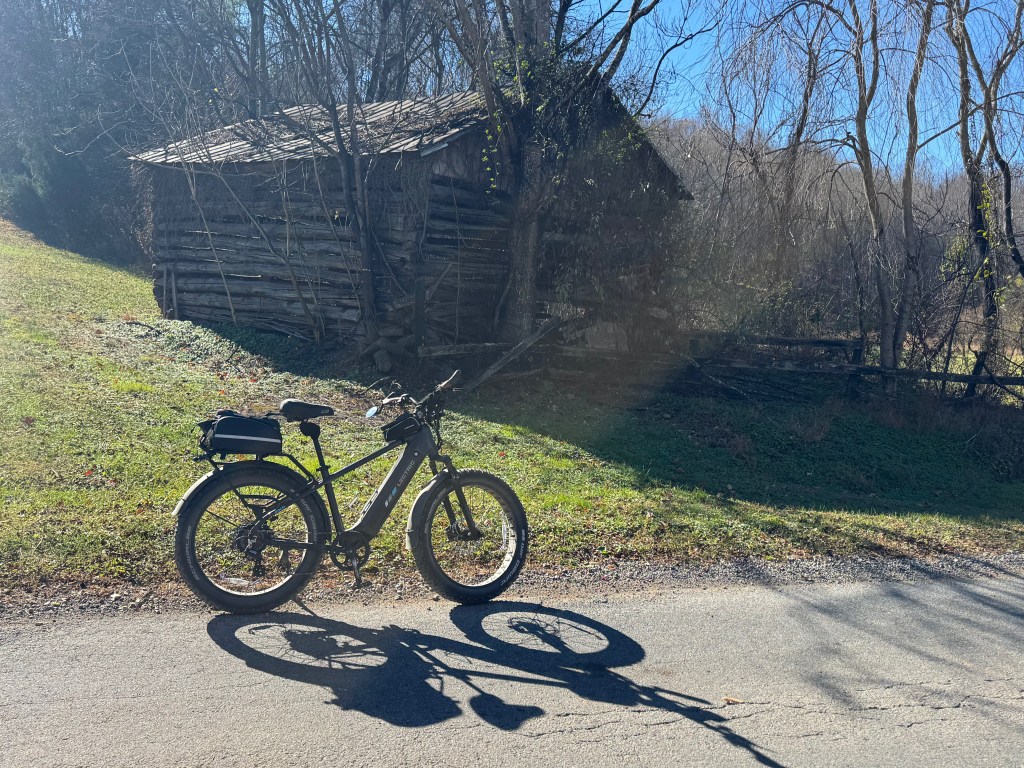
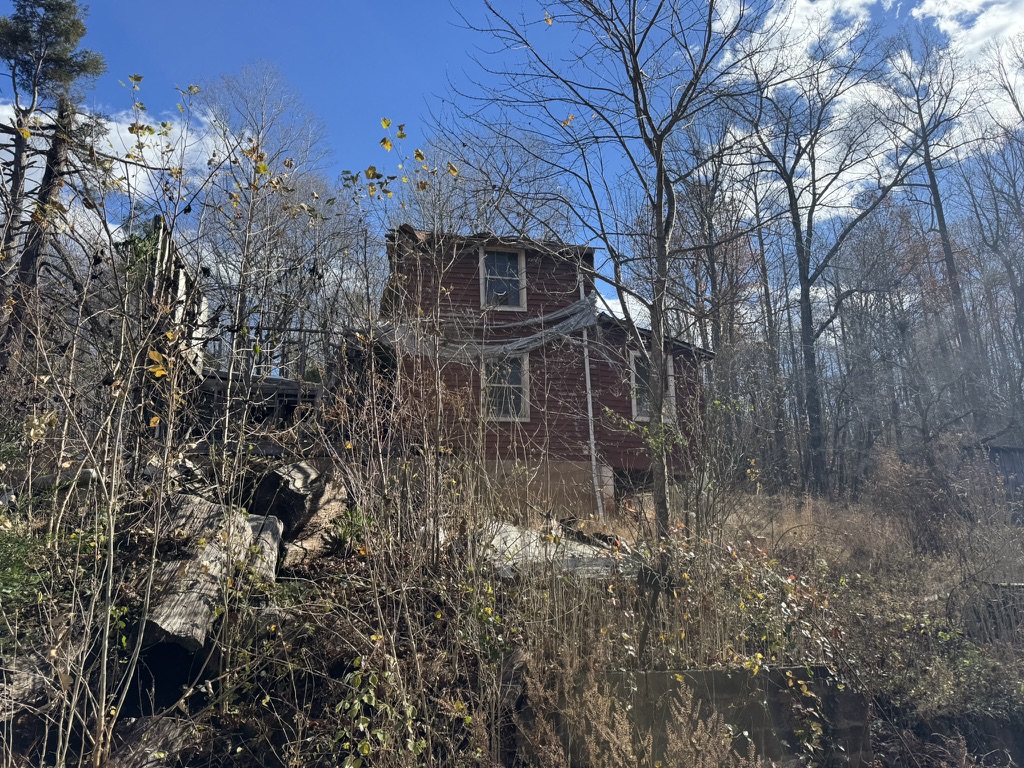
Turning onto Rocky Road and Berry Hill, we felt the shift from valley openness to the more enclosed rhythm of ridge and farmstead. Rocky Road got its name honestly—the ground here is red, stony, and iron-rich, demanding both from the land and its travelers. Every rise offered a view—some wide, some snippets between tree lines—always a reminder of the work still happening on these lands.

Mills & Community: The Heartbeat by the Water
Though our ride never strayed over to the Piney River’s edge, the legacy of grist milling pulses through this entire stretch. Just to the northwest, Woodson’s Mill still spins water into work, its wheels grinding corn and wheat as it has since the late 1700s. For generations, these roads drew harvests out of the uplands and hollow fields, down to where community was measured by who stood in line at the millstone, not just who lived close by. Apples, buckwheat, grain—all found their way here by roads like the ones beneath our tires.

The Rider Experience: Repetition, Challenge & Discovery
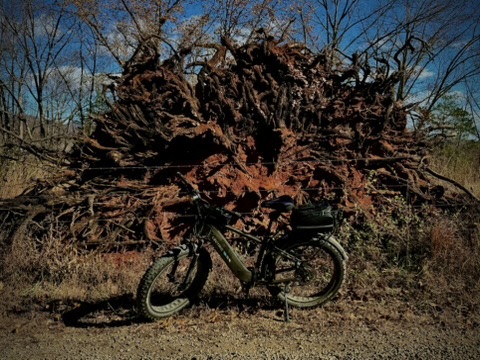
The FatTire Nomad and I covered roughly 17 miles total, an out-and-back with a slight detour that sent us exploring what another fork offered before turning back toward the church. On November 16th, the temperature hovered around 60 degrees—warm enough for sustained effort, but dropping with elevation and shifting between sun and shadow. It was the kind of day that asks everything from your legs.
The climbs here aren’t forgiving. Some of the steepest pitches demanded all we had just to keep momentum, the FatTire Nomad working hard beneath me. What made these sections especially challenging was the corrugation—washboard ruts carved deep by rain and repeated traffic—that turned every ascent into a test of grip and control. Descending those same corrugated stretches meant picking a line carefully; any speed felt risky with the surface breaking up beneath the tires.
Out-and-backs have a rhythm we love. You spot a crooked gate or a cluster of sumac on the way out, then greet it again on the return—a notch deeper into the landscape, a bit more at home. Shade from an old walnut on Grape Lawn offered a breather on the way back, and those moments—rare as they are—when silence falls so deep you can almost hear the hum of a memory.
Final Thoughts
This stretch of east-central Nelson delivers more than its quiet reputation suggests. The route served up massive climbs, each demanding full effort, and rewarded us with broad, sweeping vistas—open valleys, distant ridges, and that wide Blue Ridge horizon shimmering beyond the farm fields. The corrugated surfaces added to the challenge, making both the ascent and the descent a true test of rider and machine. For us, this out-and-back from Oak Hill was a ride that stitched hard-won miles and fresh discovery into the living fabric of the Blue Ridge—where every pedal stroke reveals another layer of local history, and every turn brings the landscape’s story a little closer to our own.
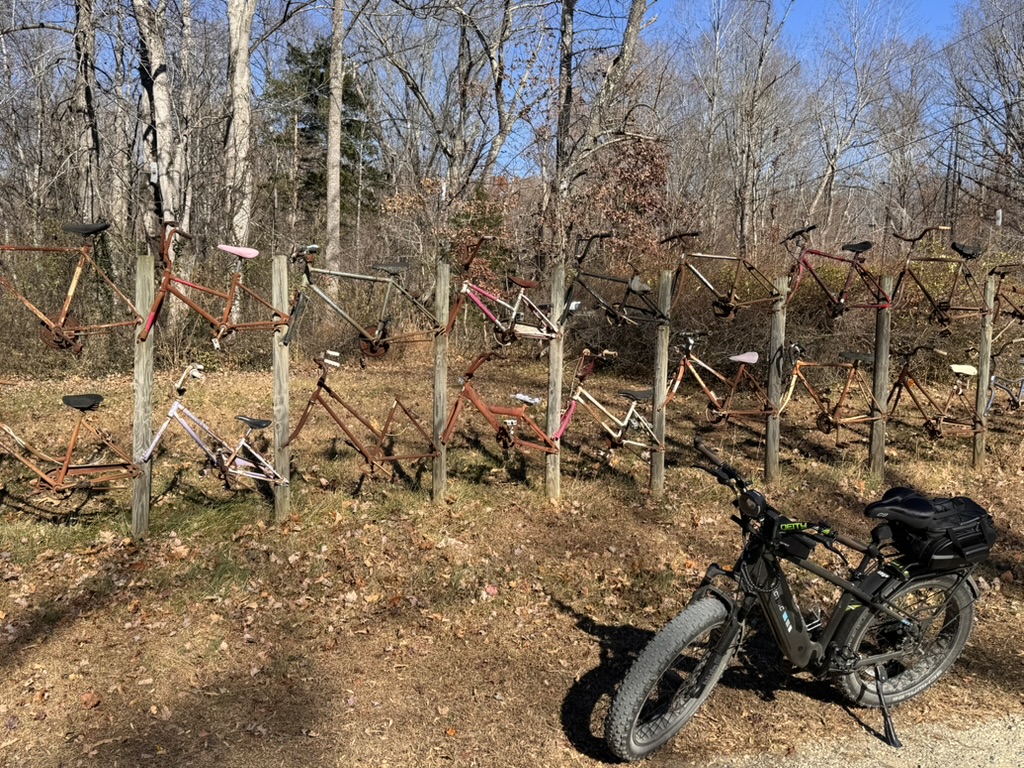


 The Fat Tire Nomad
Leave a comment