Rolling Along the River: Arkansas River Trail Adventure
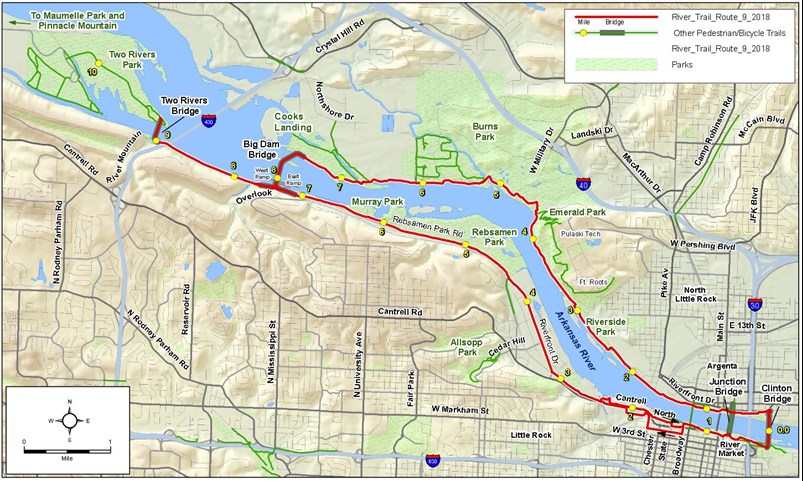
There’s a particular rhythm to Little Rock’s riverfront, where the Arkansas River glides beneath iconic bridges, and city blocks hum with a blend of history and modern energy. Pedaling the full Arkansas River Trail loop, we set out to trace that legacy—17 winding miles of urban greenspace, water, and story. The adventure led us past steel spans, historic markers, bustling parks, and those quiet stretches where you feel the pulse of a town shaped by the river’s might.
The River: Flowing nearly 1,500 miles from Colorado’s Rockies to the Mississippi, the Arkansas River has long been a corridor of movement and change. For millennia, Native tribes lived, hunted, and traveled its banks. French explorer La Harpe’s 1722 encounter with “La Petite Roche”—the city’s namesake sandstone outcrop—cemented Little Rock’s spot on the map as a river crossing and gathering place.
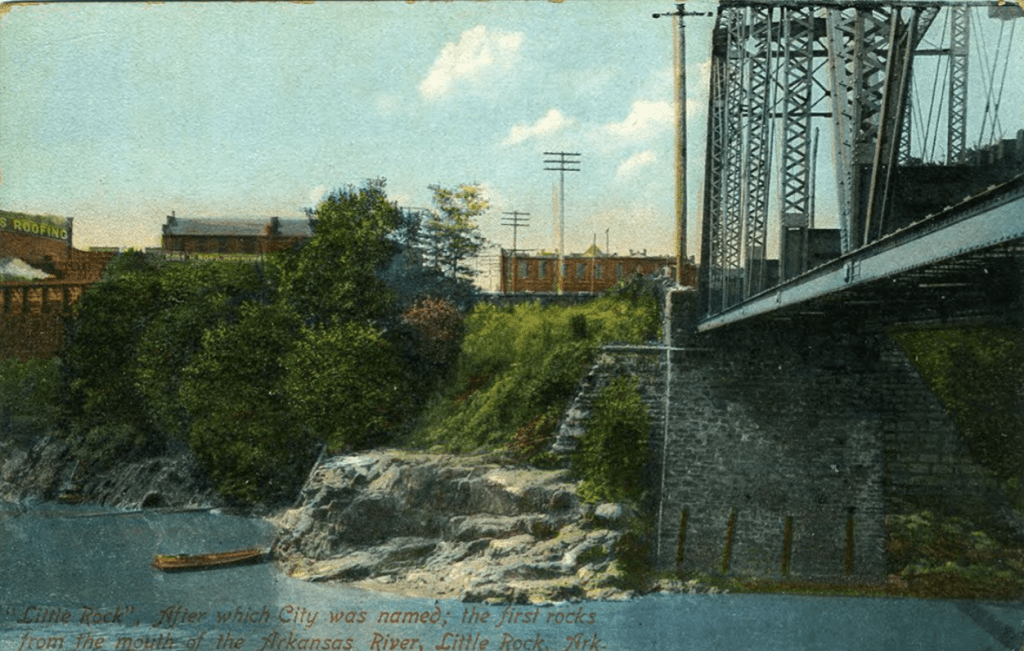
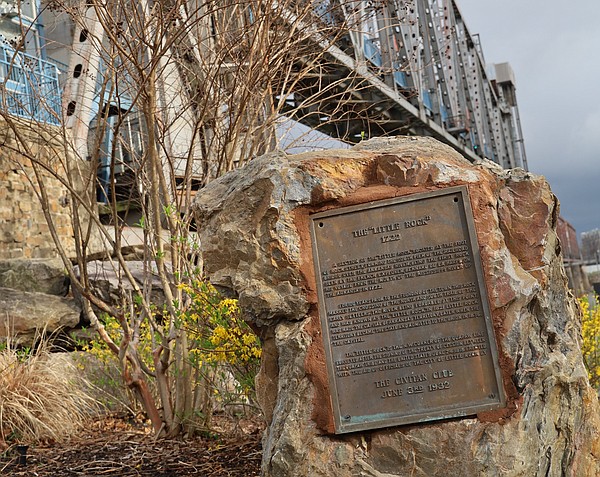
The river was lifeblood for steamboat cargo, indigenous trade, and the railroads whose tracks and bridges stitched new chapters of progress into the town’s fabric. In those early days, log cabins clustered near the water’s edge, and the Quapaw land cessions of 1818 sparked a rush of settlement. By 1835, Little Rock was a bona fide city—its fortunes forever tied to the rise and fall of the river.
Urban Bridges, Historic Banks: Riding Through Transformation
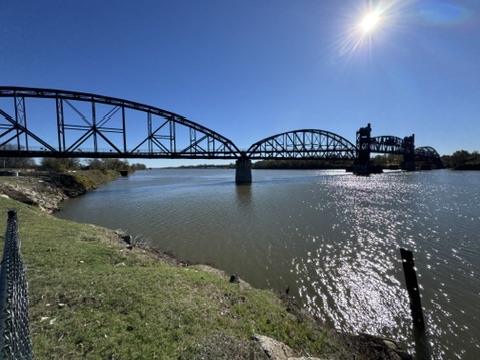
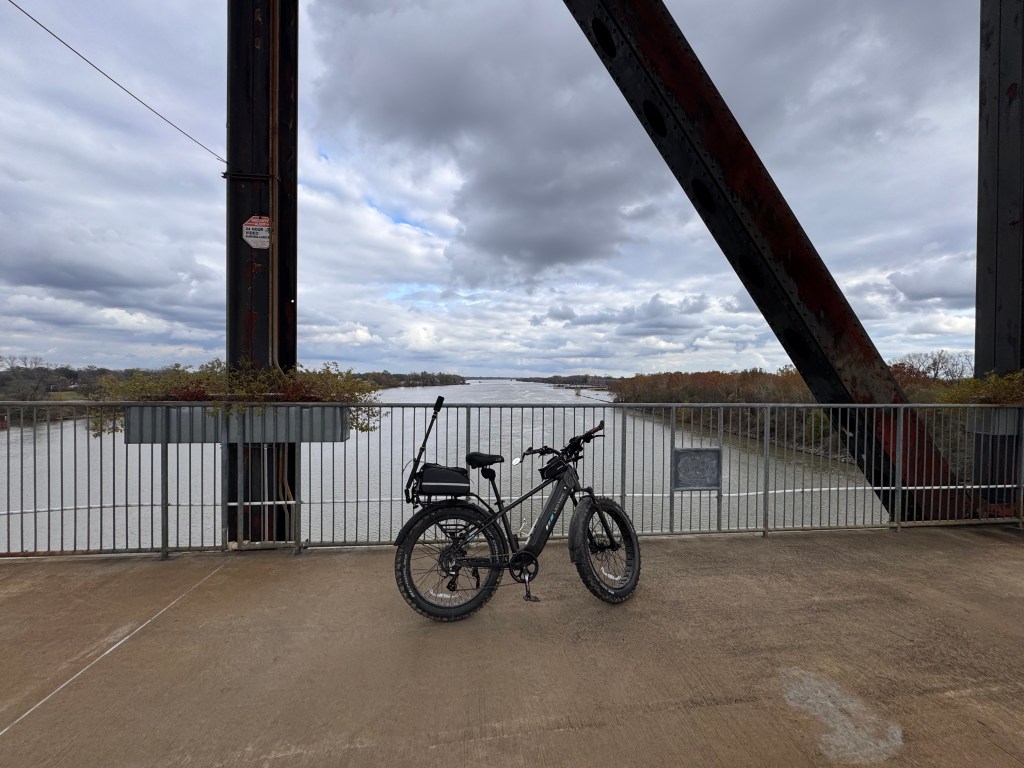
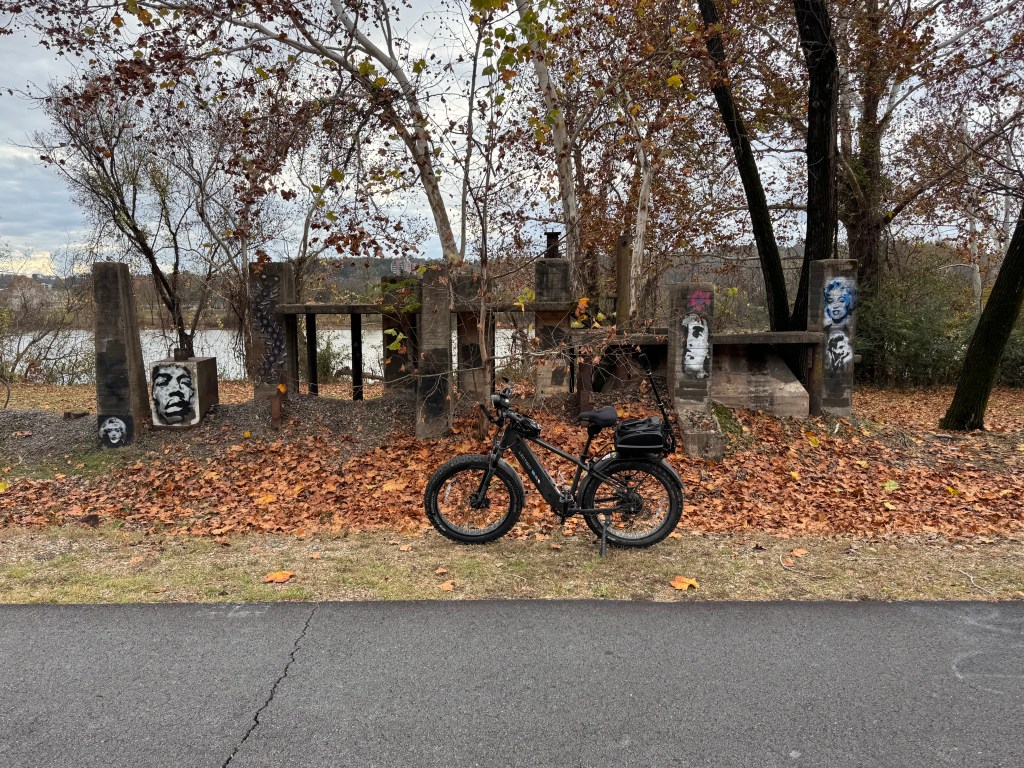
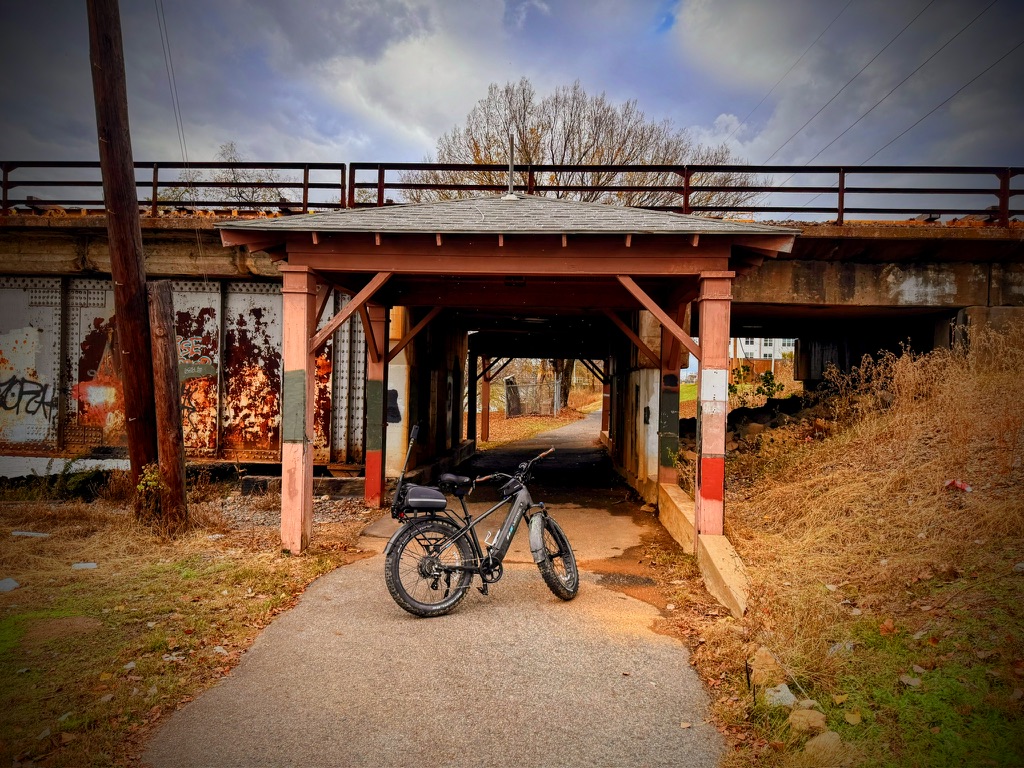
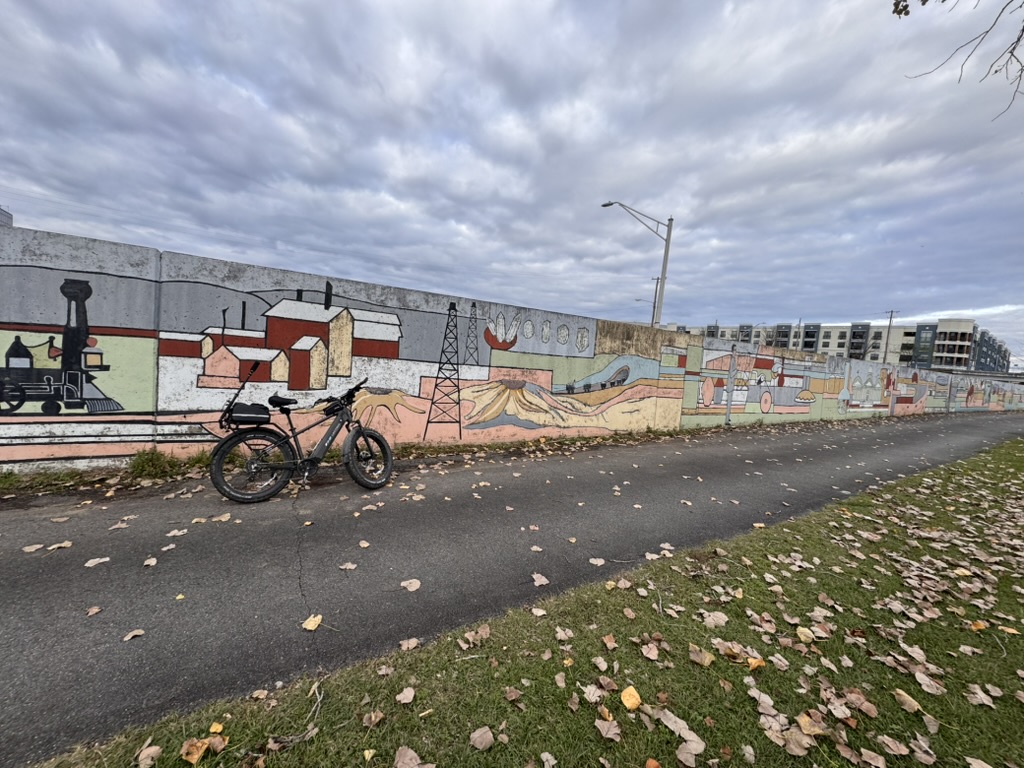
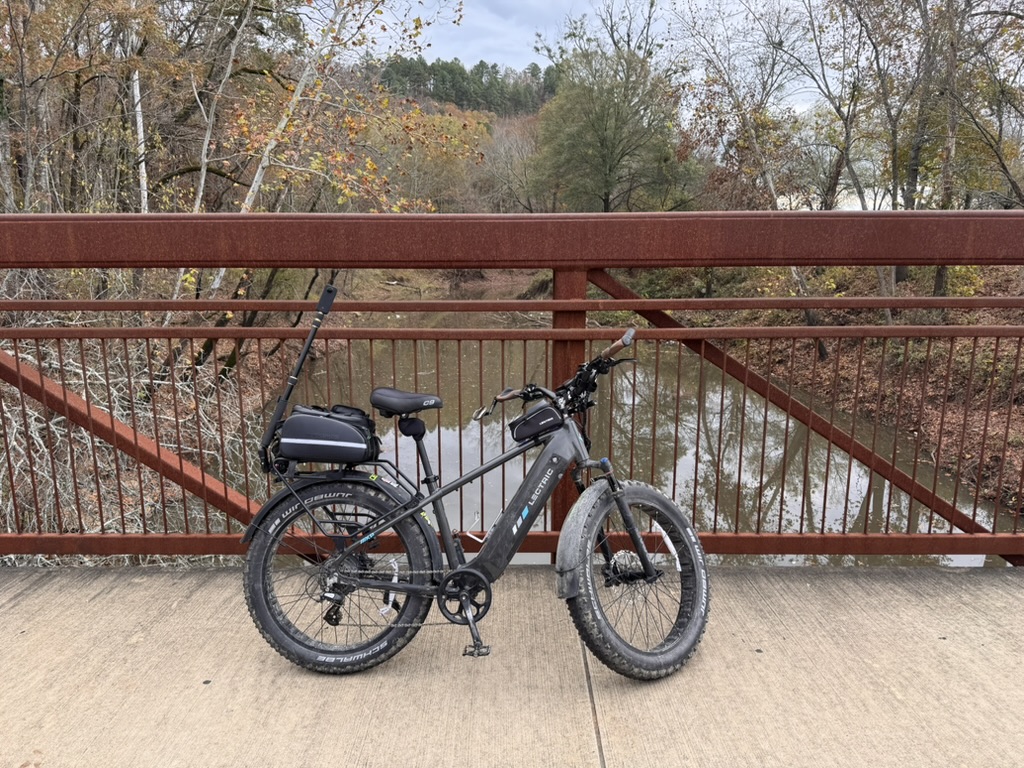
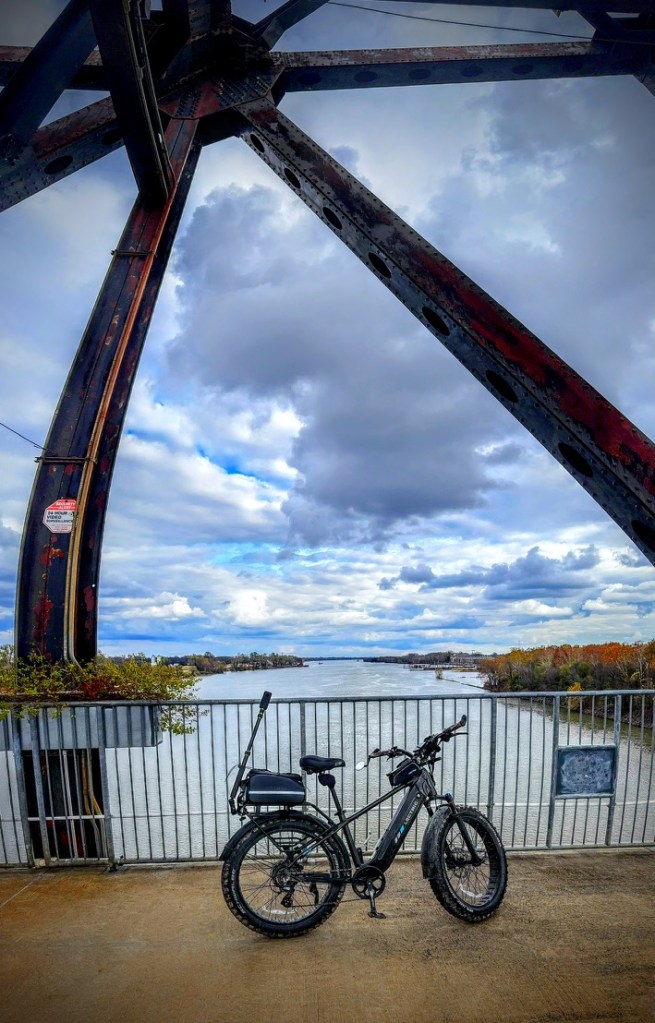
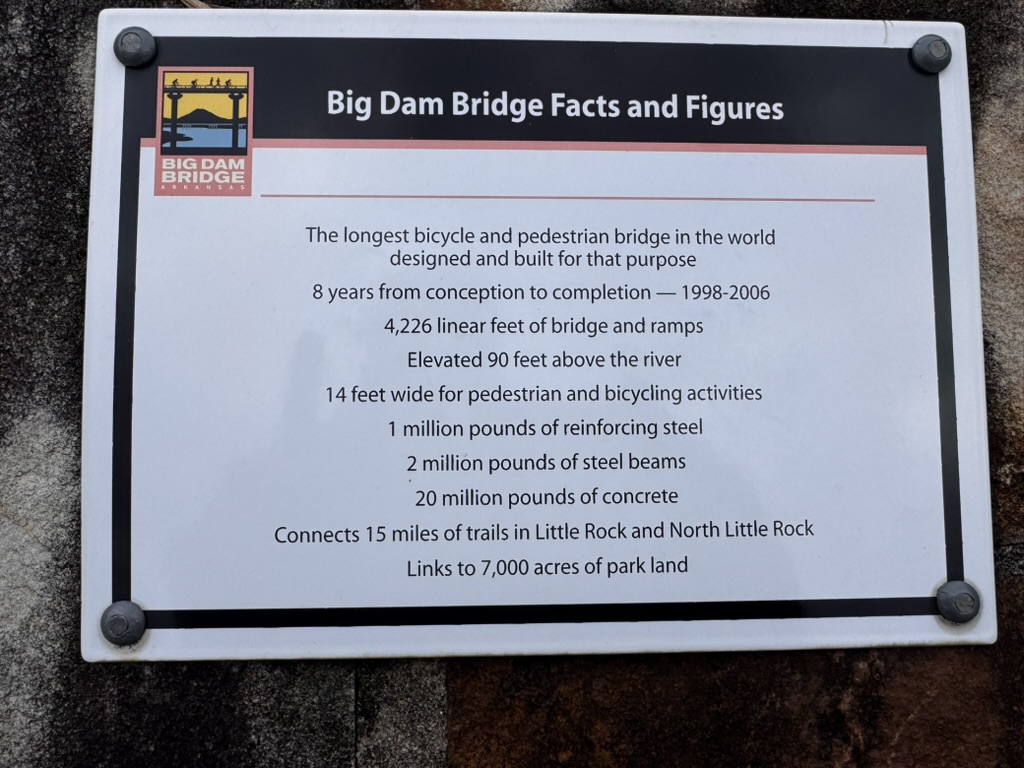
Our own ride crisscrossed the city via a trail built in stages since the late 1990s, repurposing abandoned rail beds and industrial infrastructure—Junction and Clinton Presidential Park bridges now refitted for cyclists and walkers. Each crossing had its story: Junction Bridge, a 19th-century lift span that once powered freight and passenger trains; Big Dam Bridge, the longest purpose-built bike and pedestrian bridge in North America at its opening in 2006.

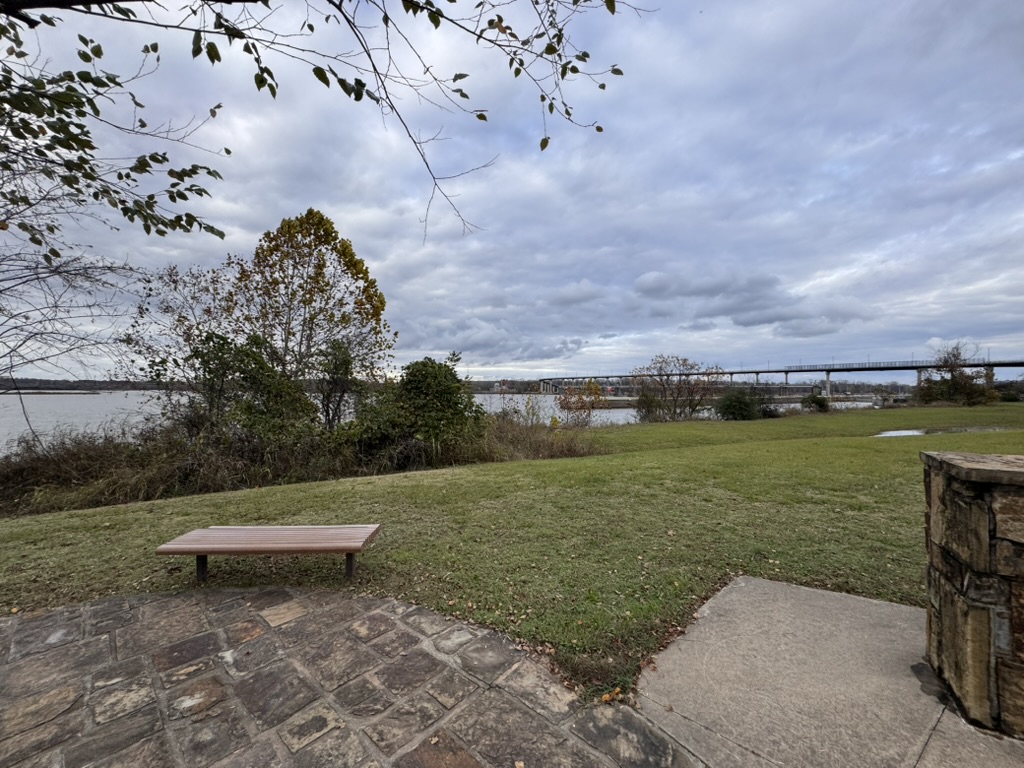
Riverfront parks buzzed with activity, while quiet overlooks offered long views toward distant levees and tree-lined horizon. We found ourselves riding past public art installations, historic Trail of Tears markers, and reminders of steamboats, mills, and industry—all woven into the landscape the river carved out over centuries.
Connectors, Loops, & Challenge: The Rider’s Experience
The Arkansas River Trail isn’t just a loop—it’s a gateway. Its spurs link riders to Two Rivers Park, onward to Pinnacle Mountain’s Monument Trails and the bold climbs that test legs and lungs. North Little Rock’s side opens into greenways and wooded paths; further plans promise a direct route to Hot Springs National Park—an ambitious future for long-distance adventure.
Not every mile feels neatly contained on a separated greenway, though. In a few stretches—especially near downtown connections—the trail markings get obscure, and the “route” briefly becomes a mix of painted bike lanes, city streets, and stretches of sidewalk navigation before you’re guided back onto dedicated path. That patchwork is part of the character here: one minute you’re rolling under steel bridges with the river at your elbow, the next you’re threading through the grid, reading wayfinding signs and watching traffic lights like a local commuter.
On our late fall loop, the average trail elevation hovered around 250–270 feet, mostly gentle but punctuated by sharp ramp-ups onto the bridges, steady climbs toward the hillier west side, and occasional dips along park roads near the riverbank. Air was crisp, and the city’s soundtrack shifted with every turn: commuter whir, birdcall, distant barge engine carrying upstream.
Sweeping river vistas greeted us, and each crossing delivered new perspectives on Little Rock—from the glassy stretch below the Broadway Bridge, where the main channel runs deep for commercial barges, to leafy park views near the Clinton Center. These are roads and paths built on old rail beds and corridors once vital for the region’s commerce—now refitted for exploration and connection.
Final Thoughts
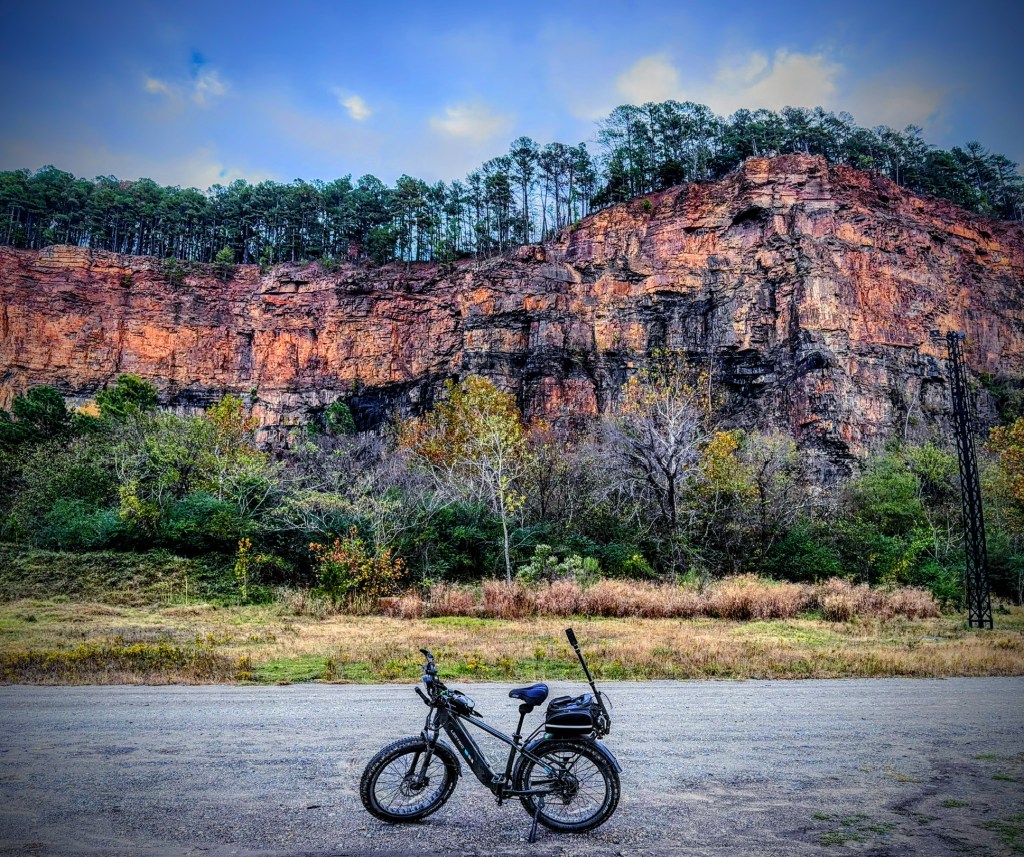
Riding the full Arkansas River Trail loop, we felt the weight of history in every pedal stroke. Landmarks told their stories—sometimes loud, sometimes whispered—and modern city life pulsed just beyond the trail’s edge. For the FatTire Nomad, this route stitched together city grit, river legacy, and the endless promise of new paths to ride. Central Arkansas’s outdoor backbone, it’s where recreation and heritage meet, letting every cycling adventure become a moving meditation on the landscape’s past and present.

 The Fat Tire Nomad
Leave a comment