Sometimes the best discoveries happen when the road ends.
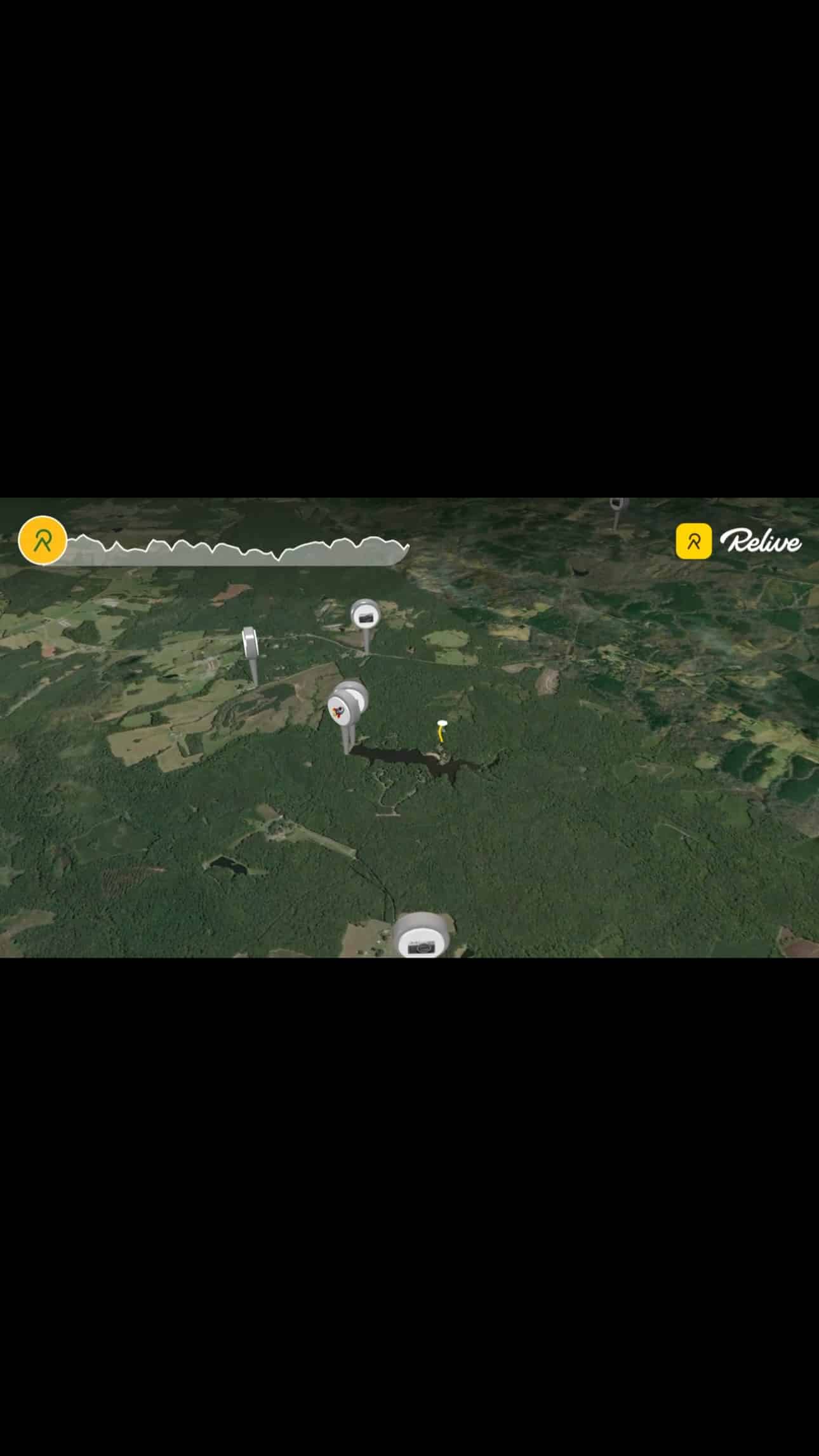
This ride took us deep into the forgotten corners of Hungrytown and Heards Mountain—places where the county road signs point to nowhere and the asphalt finally surrenders to gravel and red clay. What started as a simple exploration of Albemarle’s backcountry turned into a journey through the remnants of a once-thriving mountain economy. This is a Southwest Albemarle County eBike Adventure.The Ride:
The Artery That Faded
For over a century, these steep grades were the lifeblood of the region. Teams of mules hauled timber up the hollows and empty barrels for fruit, then returned heavy with the legendary Albemarle Pippin apples grown in the thermal belts. The rich red clay and warm air of this microclimate made it possible to grow something truly valuable—apples so prized that Queen Victoria herself reportedly cut the import tax after tasting one in the 1830s.
But time and progress have a way of erasing even the busiest arteries. Today, these roads end abruptly at rusted gates and overgrown fields.

The eBike Ride: Pushing the Limits
The Nomad handled the transition from broken pavement to loose gravel without hesitation. The fat tires chewed through the uneven surface, and the torque sensor made the steep pitches feel a little easier.
Route Highlights:
- Distance: 16.8 miles round trip
- Elevation: +2,500 ft
- Surface: 95% dirt/gravel, 5% pavement
- Difficulty: Intermediate (steep grades, loose surface)
This Albemarle County eBike adventure demanded every bit of the The Nomad capabilities. The 4-inch fat tires provided unwavering confidence on the washboard gravel sections, while the upgraded suspension absorbed the constant jarring from embedded rocks and ruts. The torque sensor’s responsiveness made climbing the steeper pitches almost effortless, even when the red clay turned slick from recent rain. Battery management became crucial on the longer climbs—I toggled between pedal assist levels to conserve power while still maintaining momentum on the technical sections.
A real payoff came at Hungrytown and Heards Mountain Road intersection—a weathered log cabin with a brick chimney, standing sentinel over a valley that time forgot. Parked beside the sagging fence, the e-bike looked right at home.

Where the Road Ends, the Story Begins
These rides remind us that the Blue Ridge isn’t just about the destination. It’s about uncovering the layers of history beneath the surface—the mules, the muleskinners, the apple haulers who built these mountains one load at a time.
The Albemarle Pippin apple connection runs deeper than most realize. These weren’t just any apples—they were cash crops that literally funded communities. In the late 1800s and early 1900s, teamsters would haul barrels down these same roads to reach the railroad depots in Esmont and Scottsville. The thermal belts of these valleys created the perfect microclimate, and wealthy Northern buyers would pay premium prices for fruit that could survive trans-Atlantic shipping to England. When refrigerated rail cars arrived and western orchards scaled up production, places like Hungrytown simply faded away, leaving behind the roads and ruins we explore today on our Albemarle County eBike adventures.
Watch the full ride and let me know in the comments: What’s your favorite “dead end” discovery?


Why Albemarle County for eBike Adventures?
Southwest Albemarle County offers an ideal landscape for fat tire eBike exploration. Unlike the heavily trafficked tourist routes closer to Charlottesville, these forgotten backroads provide authentic rural Virginia experiences with minimal vehicle traffic. The terrain varies from gentle valley floors to challenging mountain grades, allowing riders to customize their difficulty level. Most importantly, this area’s rich agricultural and industrial heritage means every dead-end road potentially leads to historic ruins, abandoned homesteads, or scenic overlooks that few people ever discover. For Albemarle County eBike adventures, the lack of modern development isn’t a drawback—it’s the main attraction.
Gear Notes: The The Nomad suspension upgrade proved essential on the washboard gravel. The wider bar ends provided better control on steep descents. I’d also recommend bringing at least 2 liters of water—there are no services once you leave the main roads, and cell coverage is spotty at best. A basic repair kit is essential for Albemarle County eBike adventures like this one.
Discover more from The FatTire Nomad
Subscribe to get the latest posts sent to your email.